12 Blogs Calendar (Oct - Dec 2025)

Patient Education and Awareness Blogs Schedule

Blog 1
October Week 1By Dr. Ashutosh Jaiswal

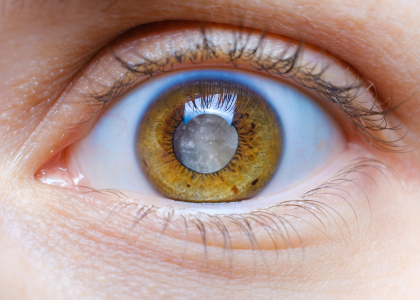
Cataract Surgery in Nagpur: When Is the Right Time?

Are you noticing cloudy vision, difficulty reading, or trouble seeing clearly at night? These may be early signs of a cataract. Cataracts are common, especially after the age of 50, and can gradually affect your daily life. In this blog, we’ll explain what cataracts are, when surgery is needed, and how modern cataract surgery at Netram Eye Hospital, Nagpur can help restore clear vision.

Read More →

Blog 2
October Week 2By Dr. Ashutosh Jaiswal

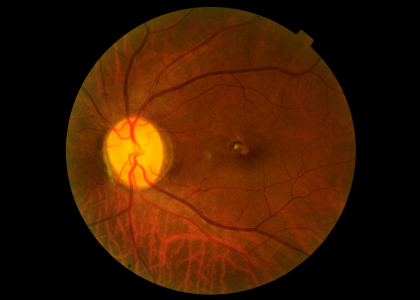
Understanding Glaucoma — The Silent Thief of Vision


Glaucoma is called the “silent thief of vision” because it can damage your eyes slowly without noticeable symptoms. Early detection is crucial to prevent permanent vision loss.


Read More →
Blog 3
October Week 3By Dr. Ashutosh Jaiswal

Eye Health Tips for Working Professionals


Long hours in front of screens can cause digital eye strain. This blog shares tips to maintain healthy eyes.


Read More →
Blog 1
October Week 4By Dr. Ashutosh Jaiswal

From Cloudy Vision to Clarity: A Cataract Success Story at Netram

Mr. Ramesh*, a 62-year-old resident of Nagpur, had blurry vision affecting daily life. This is his story of recovery with cataract surgery at Netram Eye Hospital.

Read More →
Blog 2
November Week 1By Dr. Ashutosh Jaiswal

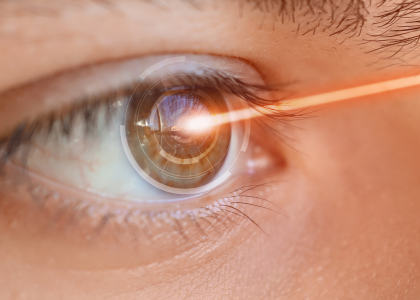
Laser Cataract Surgery: How It’s Changing Eye Care in Nagpur

Laser-assisted cataract surgery offers precision, faster recovery, and safer outcomes.


Read More →
Blog 3
November Week 2By Dr. Ashutosh Jaiswal

Corneal Transplant: When and Why It’s Needed


The cornea focuses light for clear vision. Corneal transplant replaces damaged cornea.


Read More →
Blog 1
November Week 3By Dr. Ashutosh Jaiswal

Understanding Glaucoma: The Silent Thief of Sight


Glaucoma often progresses without symptoms. Early detection preserves vision.

Read More →
Blog 2
November Week 4By Dr. Ashutosh Jaiswal

The Role of Nutrition in Maintaining Good Vision


A healthy diet protects eyes and prevents diseases.

Read More →
Blog 3
December Week 1By Dr. Ashutosh Jaiswal

Why Regular Eye Checkups Matter — Even If You See Clearly

Eye diseases can develop silently. Regular checkups detect problems early.

Read More →
Blog 1
December Week 2By Dr. Ashutosh Jaiswal

Diabetes and Your Eyes — Protecting Vision from Diabetic Retinopathy

Diabetes can damage eyes causing diabetic retinopathy.


Read More →
Blog 2
December Week 3By Dr. Ashutosh Jaiswal

AI and the Future of Eye Care: What Patients Should Know

Artificial Intelligence is transforming eye care.


Read More →
Blog 3
December Week 4By Dr. Ashutosh Jaiswal

Restoring Sight, Renewing Life: A Patient Success Story

Mrs. Shalini*, 58, had blurred vision and difficulty reading. This is her story of recovery at Netram Eye Hospital.

Read More →
Blog 3
December Week 4By Dr. Ashutosh Jaiswal

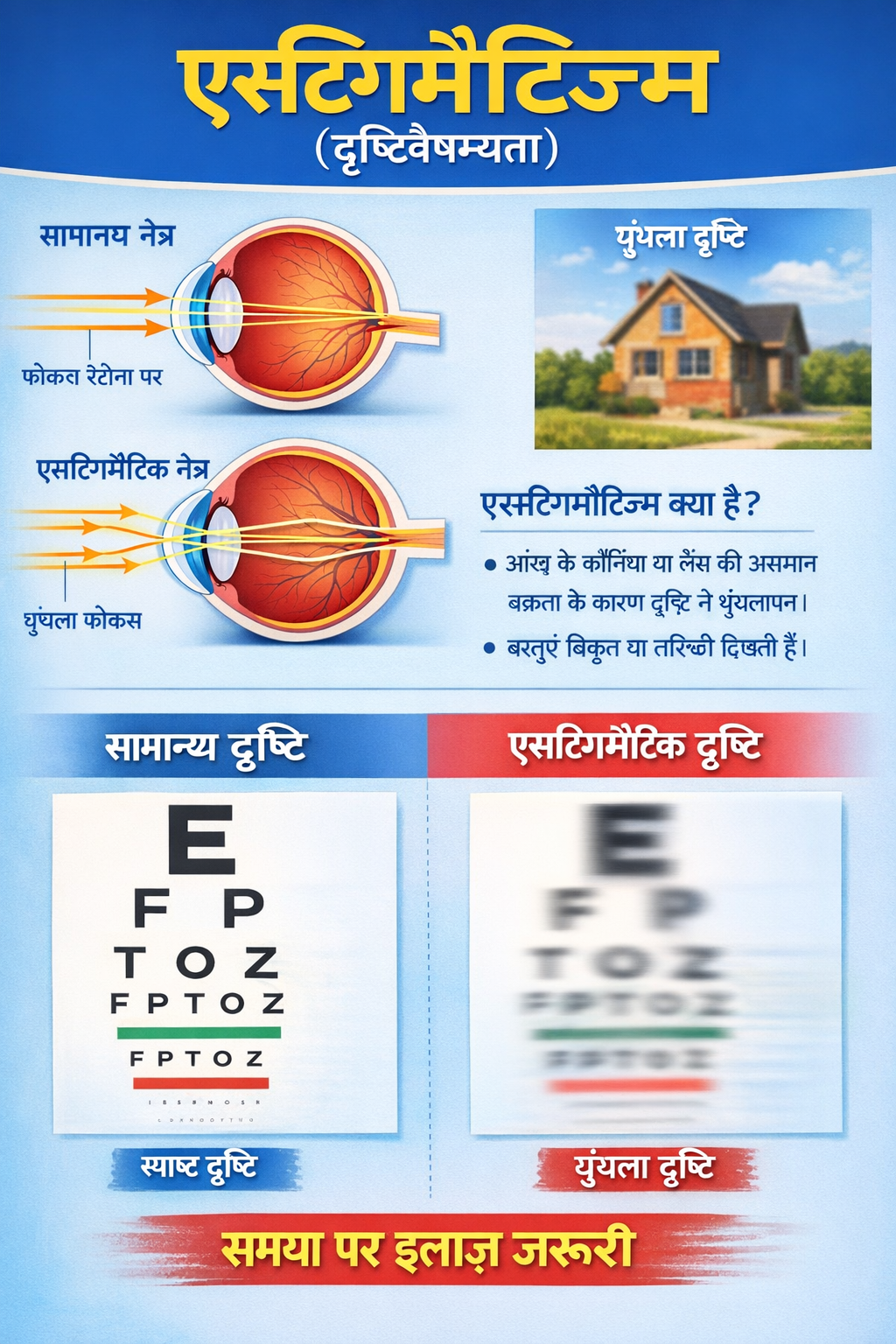
Understanding Astigmatism – Causes, Symptoms, and Treatment | Netram Eye Hospital, Nagpur

What is Astigmatism?

Astigmatism is a very common vision problem that occurs when the front surface of the eye (the cornea) or the lens inside the eye has an irregular shape.

Read More →
Blog 3
December Week 4By Dr. Ashutosh Jaiswal

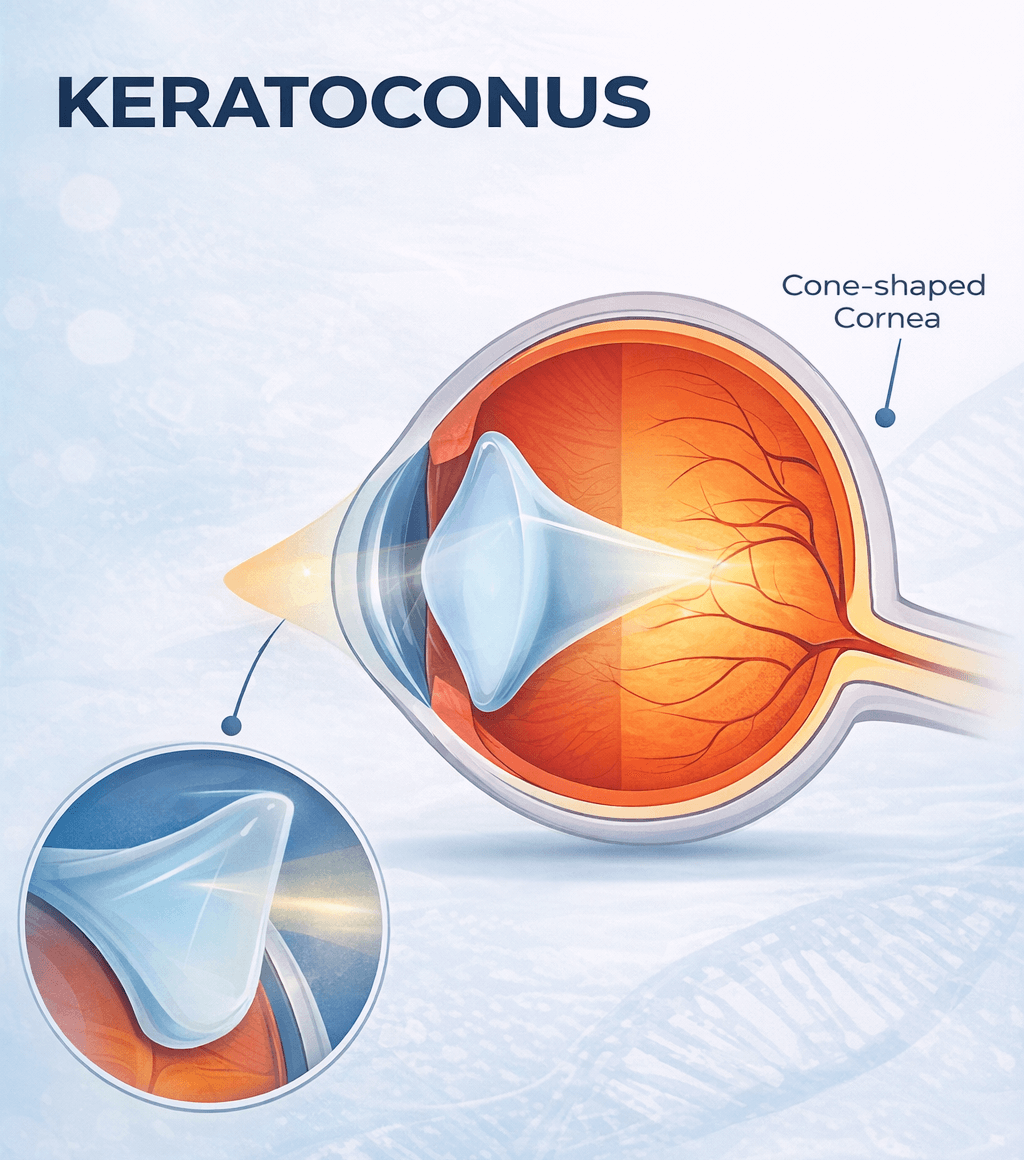
Understanding Keratoconus – Causes, Symptoms, and Modern Treatment | Netram Eye Hospital, Nagpur

What is Keratoconus?

Keratoconus is a progressive eye condition where the normally round, dome-shaped cornea becomes thin and cone-shaped over time.

Read More →
Blog 3
December Week 4By Dr. Ashutosh Jaiswal

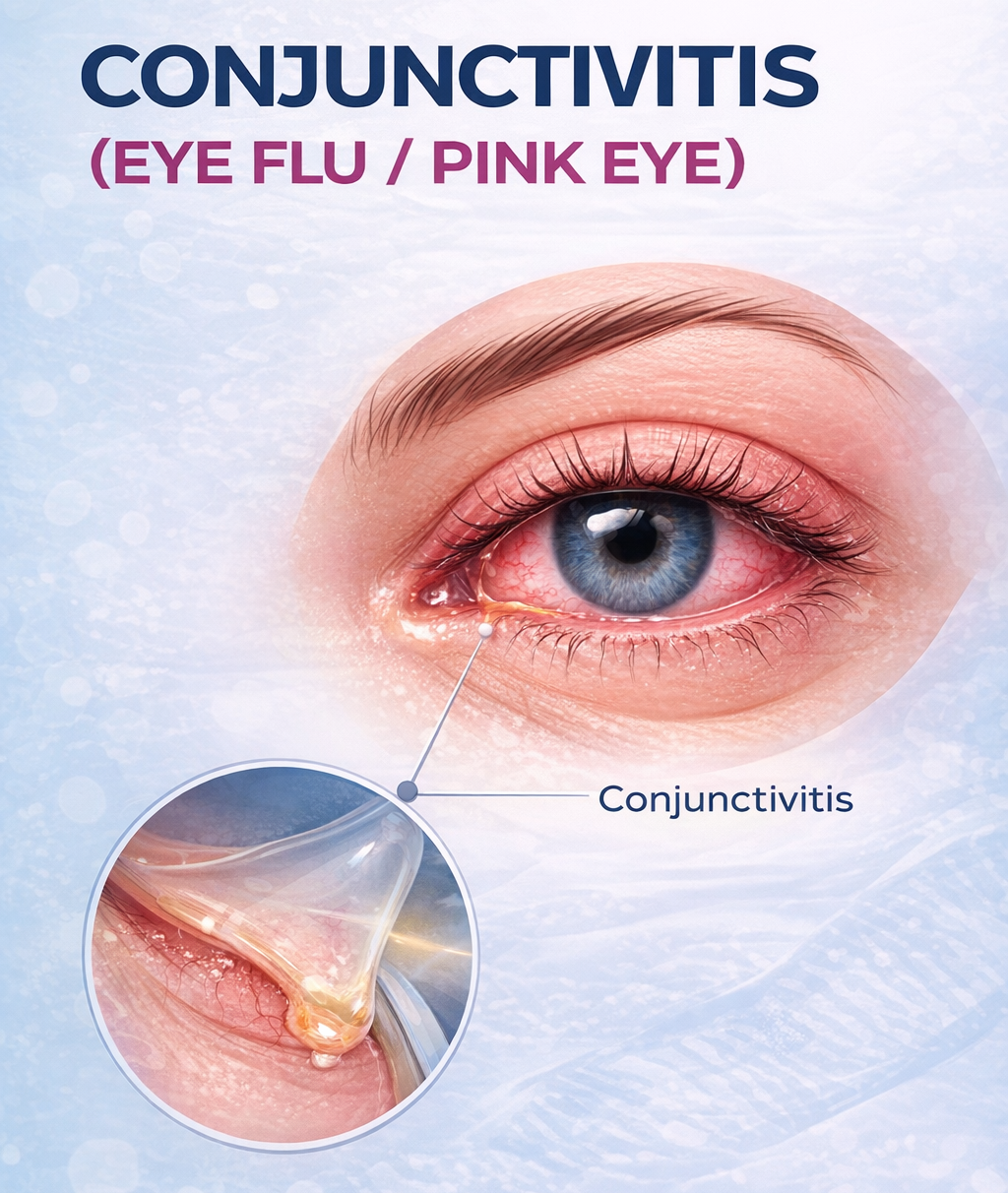
Conjunctivitis (Eye Flu / Pink Eye) – Symptoms, Causes, and Treatment | Netram Eye Hospital, Nagpur

What is Conjunctivitis?

Conjunctivitis, commonly known as Eye Flu or Pink Eye, is an inflammation or infection of the conjunctiva...

Read More →
Blog 3
December Week 4By Dr. Ashutosh Jaiswal

Conjunctivitis (Eye Flu / Pink Eye) – Symptoms, Causes, and Treatment | Netram Eye Hospital, Nagpur

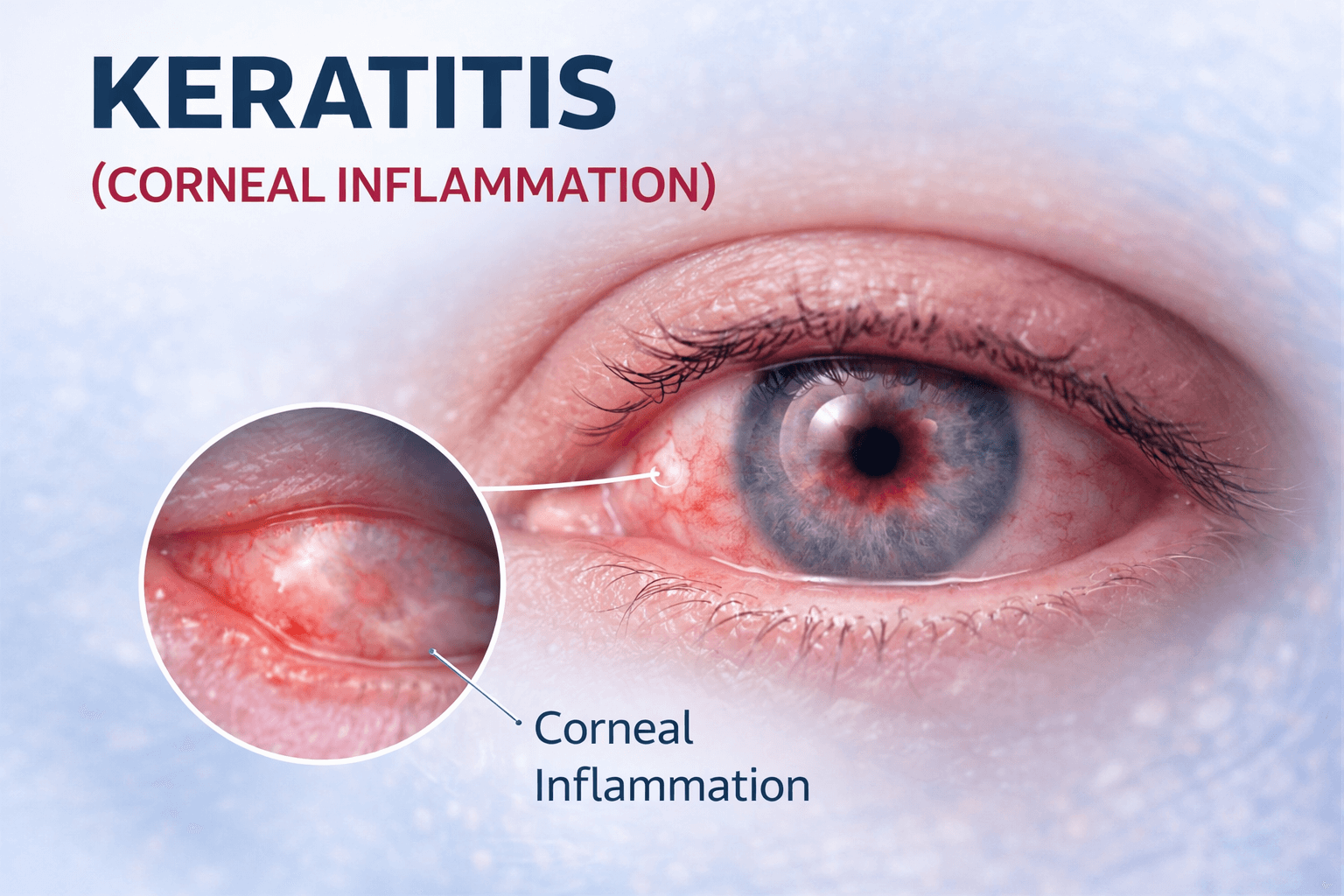
What is Keratitis?

Keratitis refers to inflammation or infection of the cornea, the transparent dome-shaped layer covering...

Read More →
Blog 3
December Week 4By Dr. Ashutosh Jaiswal

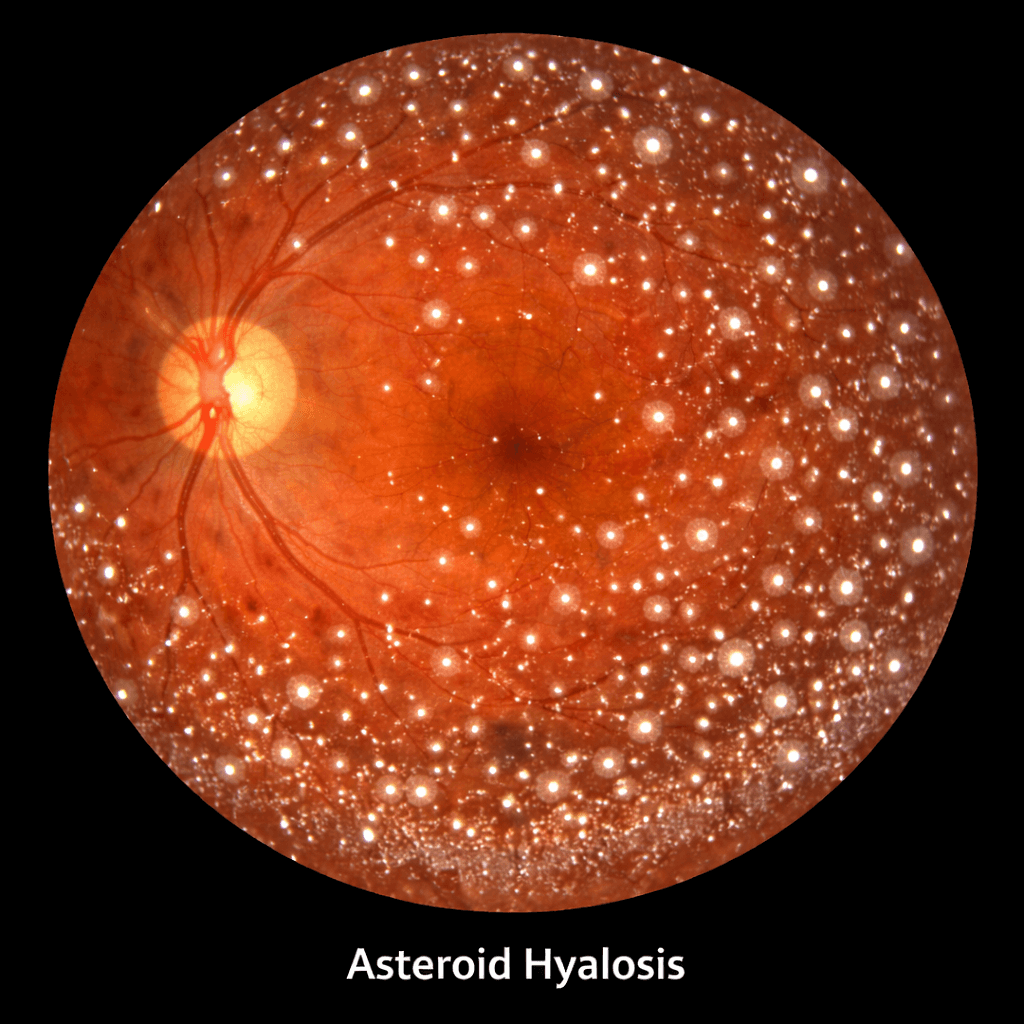
Asteroid Hyalosis – Causes, Symptoms, and Management

What is Asteroid Hyalosis?

Asteroid Hyalosis is a condition in which tiny calcium-lipid deposits appear in the vitreous gel...

Read More →
Blog 3
December Week 4By Dr. Ashutosh Jaiswal

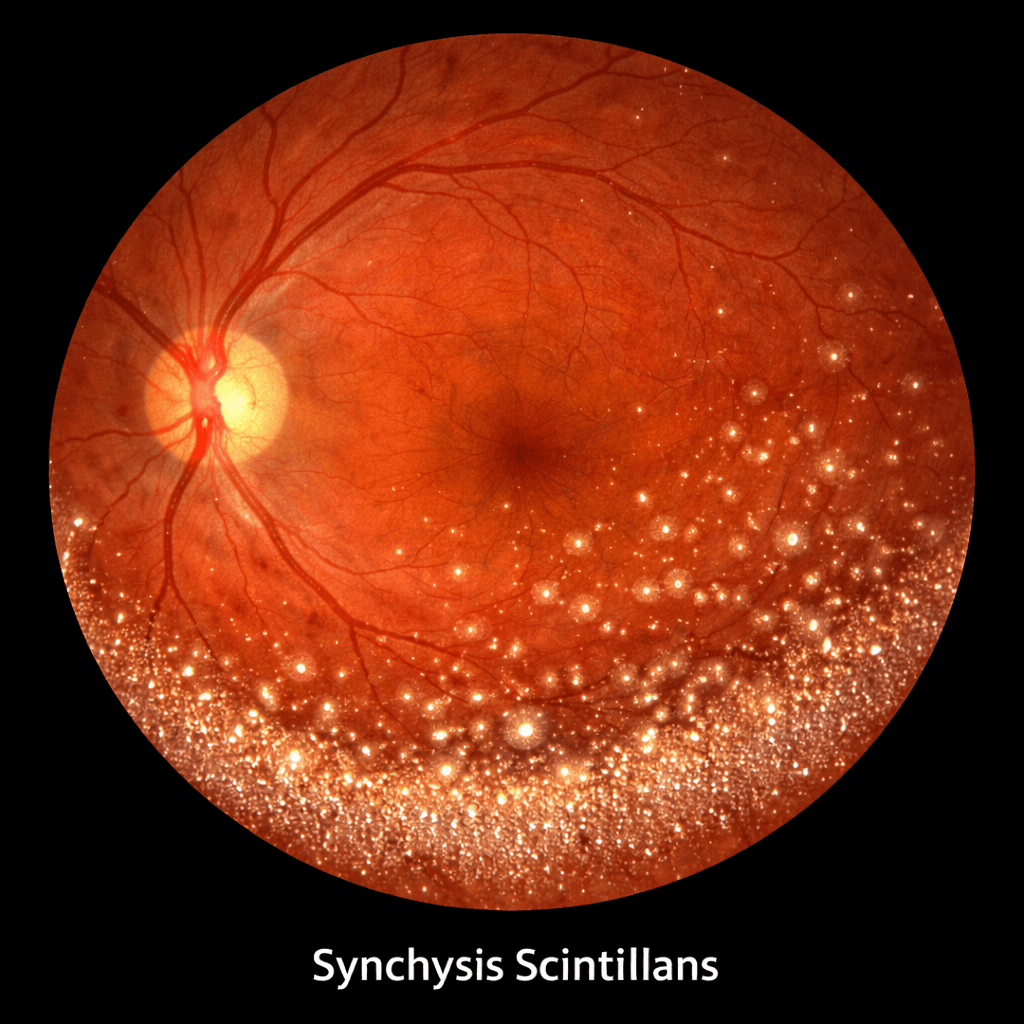
Synchysis Scintillans – Understanding Eye Floaters with Glittering Particles

What is Synchysis Scintillans?

Synchysis Scintillans is a rare eye condition where crystalline cholesterol particles float in the vitreous gel of the eye....

Read More →
Blog 3
December Week 4By Dr. Ashutosh Jaiswal

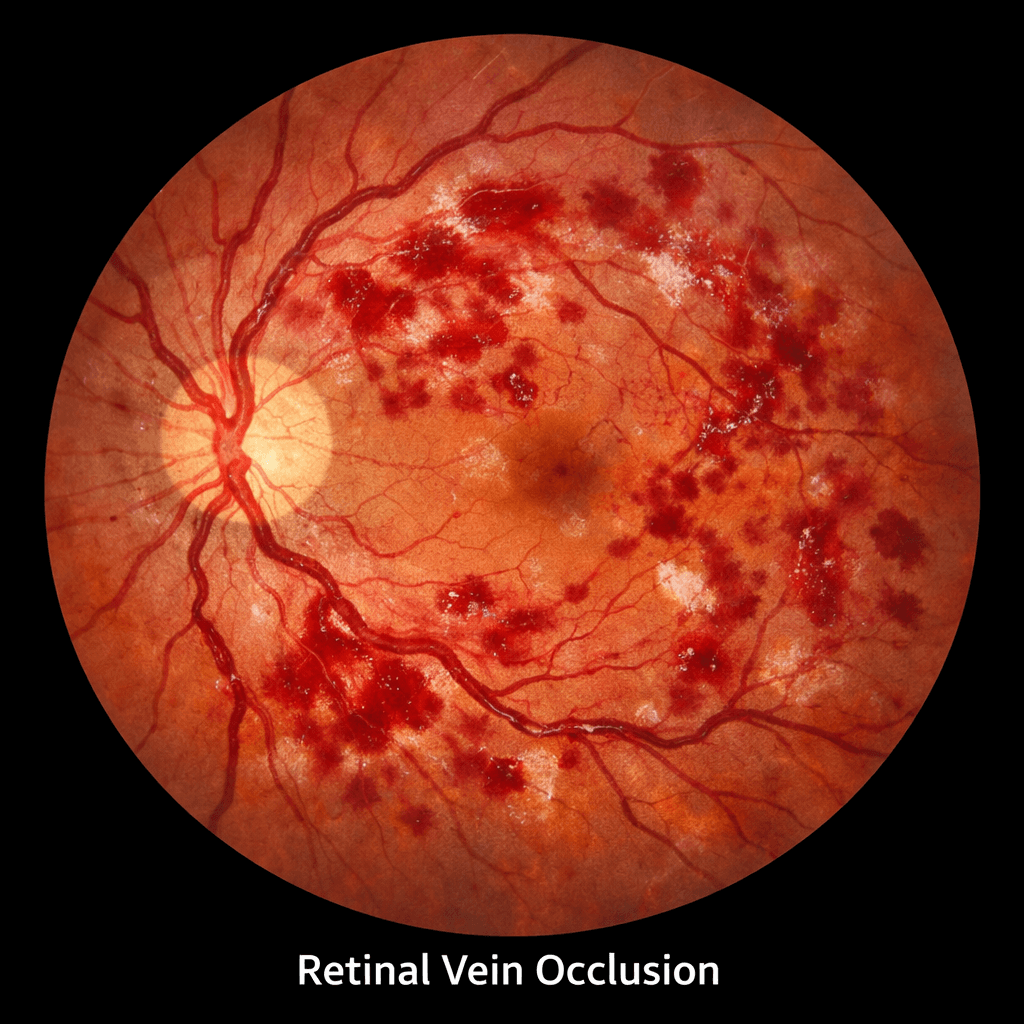
Retinal Vein Occlusions (RVO) – Causes, Symptoms, and Advanced Treatment

What is Retinal Vein Occlusion (RVO)?

Retinal Vein Occlusion (RVO) occurs when a vein in the retina becomes blocked, leading to blood and fluid leakage in the.....

Read More →
Blog 3
December Week 4By Dr. Ashutosh Jaiswal

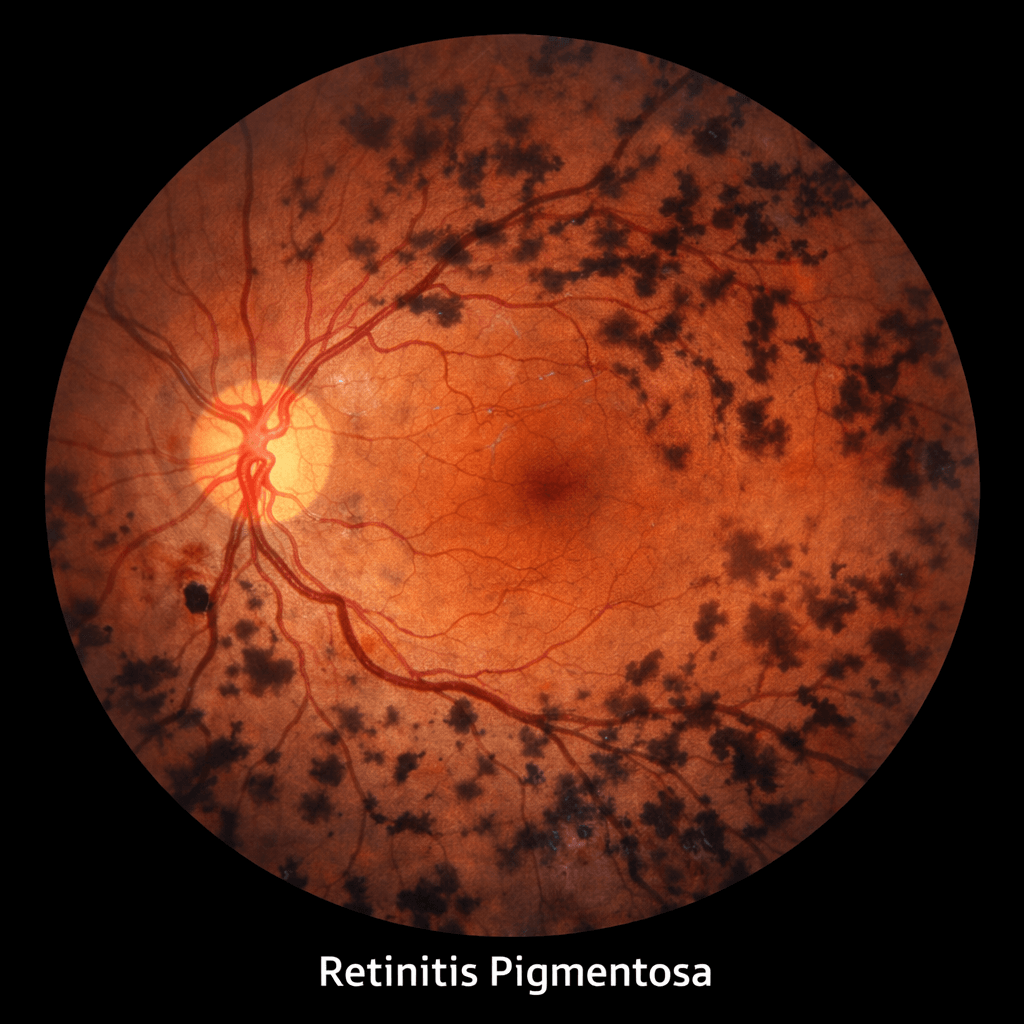
Retinitis Pigmentosa – Causes, Symptoms, and Care

What is Retinitis Pigmentosa (RP)?

Retinitis Pigmentosa (RP) is a genetic eye disorder that causes progressive degeneration of the retina, leading to gradual vision loss. It primarily affects the...

Read More →
Blog 3
December Week 4By Dr. Ashutosh Jaiswal

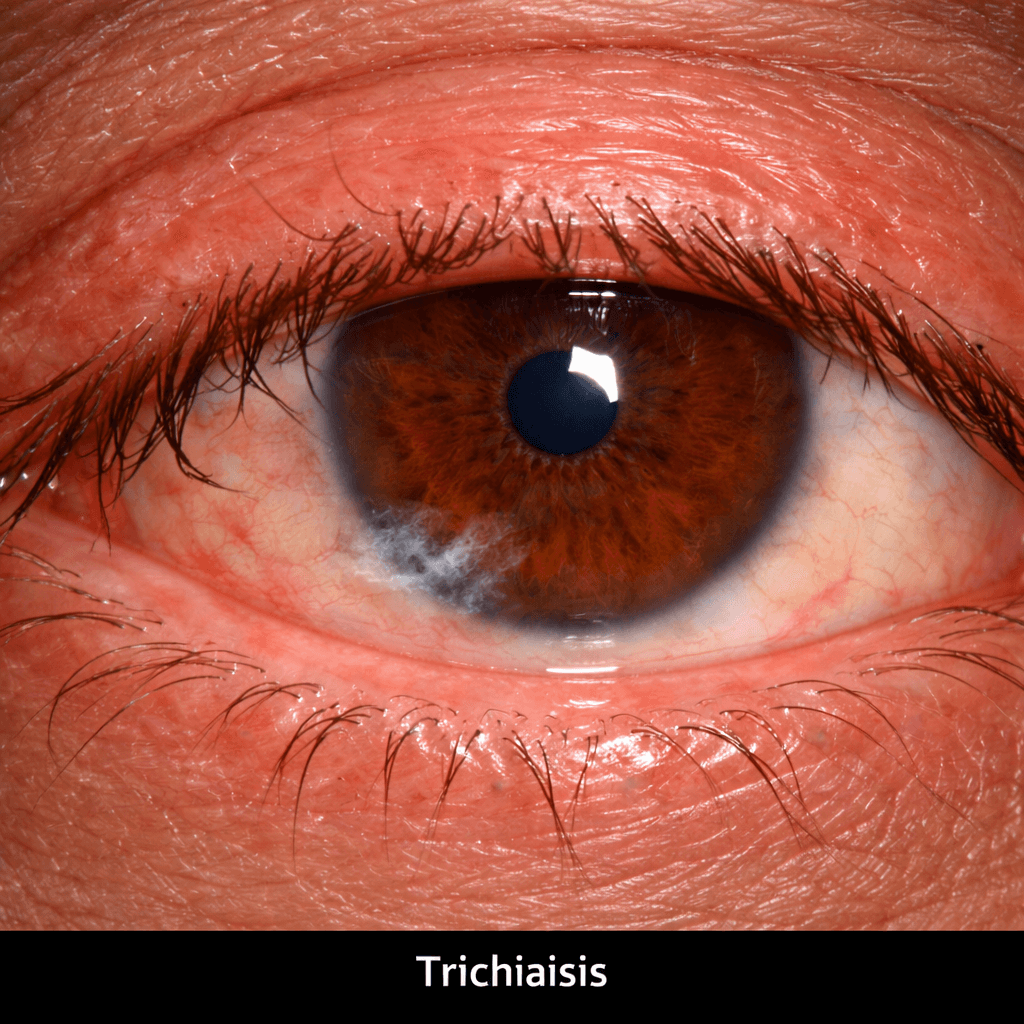
Trichiasis – Misaligned Eyelashes and Eye Care

What is Trichiasis?

Trichiasis is a condition in which eyelashes grow inwards toward the eye, instead of outward. These misdirected eyelashes can rub against the cornea and conjunctiva...

Read More →
Blog 3
December Week 4By Dr. Ashutosh Jaiswal

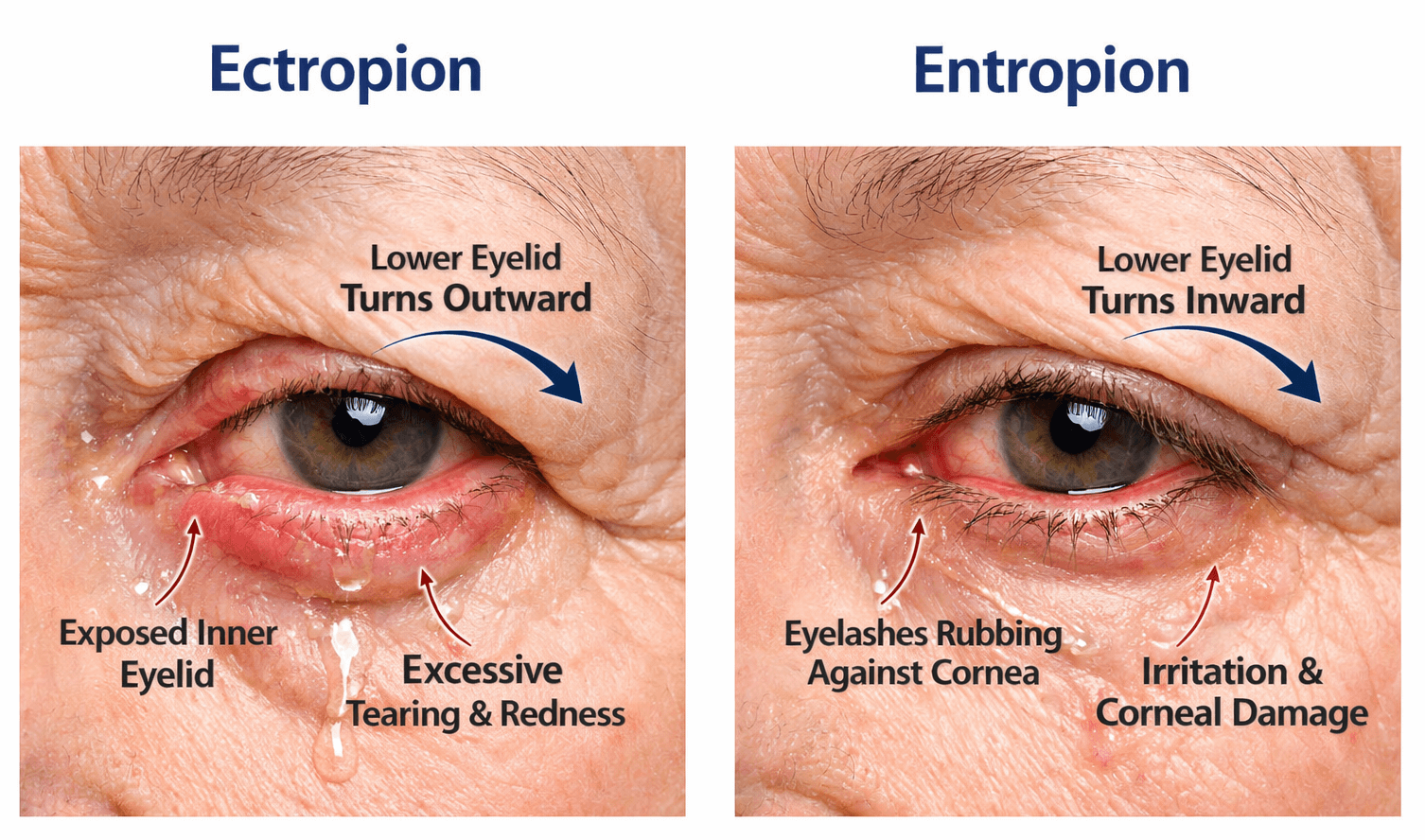
Ectropion & Entropion / Dacryocystitis – Eyelid and Tear Duct Disorders

What is Dacryocystitis?

Dacryocystitis is an infection of the tear sac due to blocked tear ducts, causing pain, swelling, and excessive tearing....

Read More →
Blog 3
December Week 4By Dr. Ashutosh Jaiswal

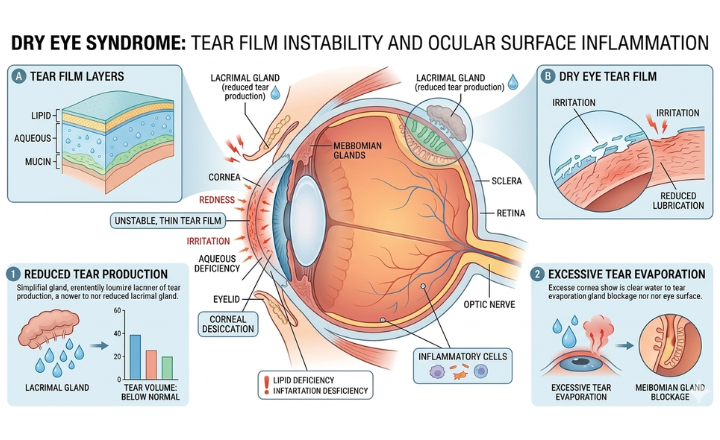
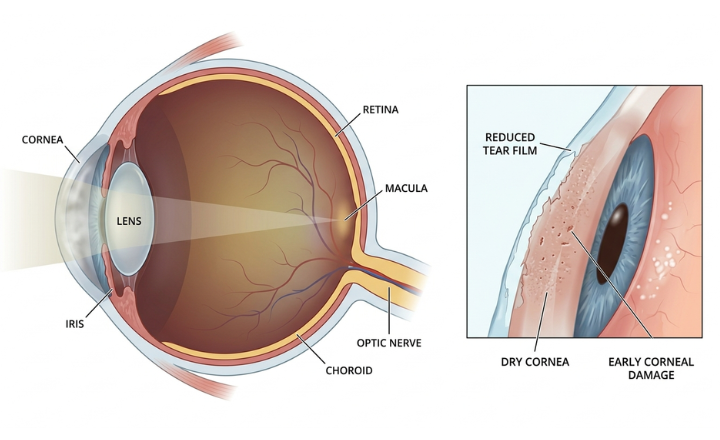
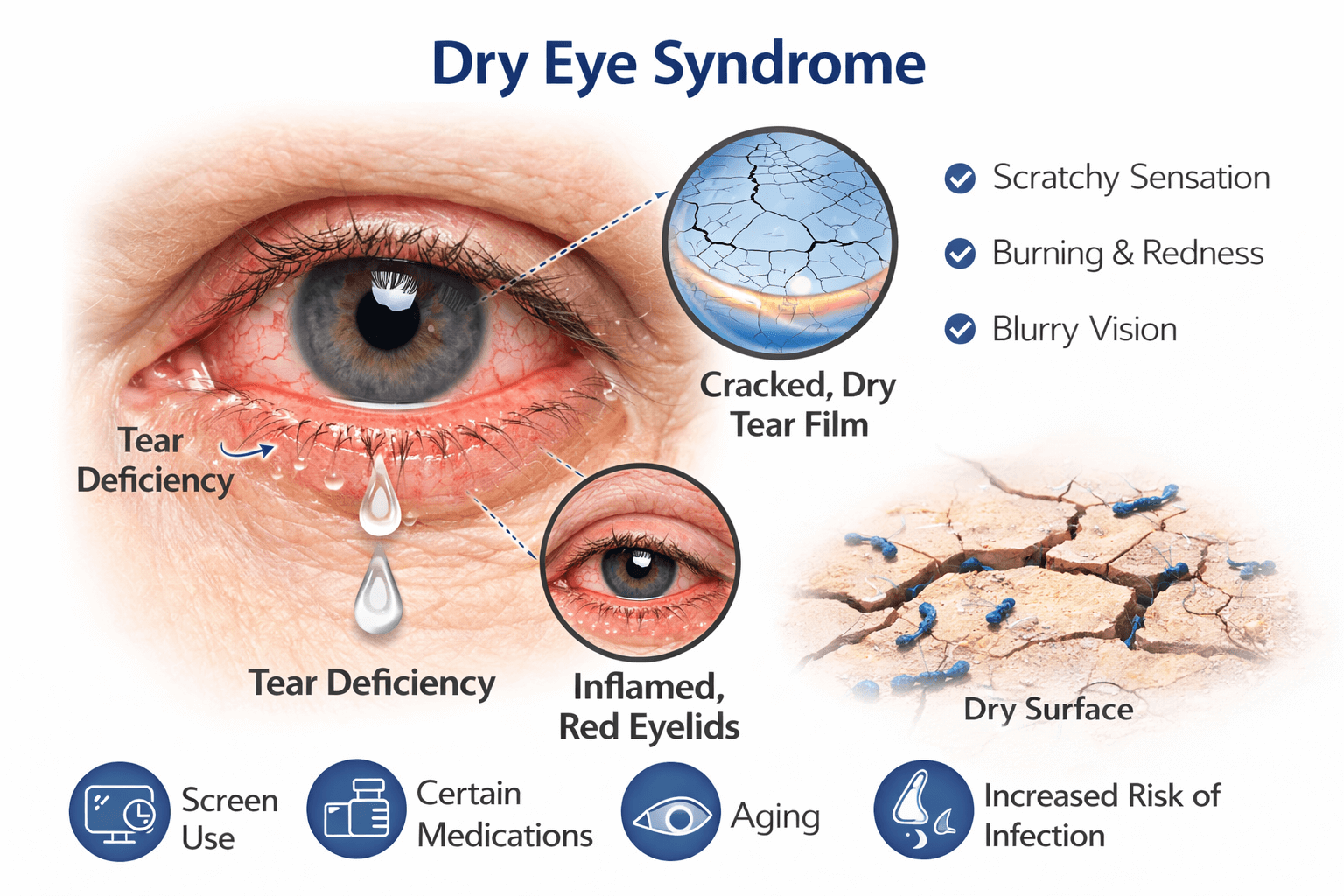
Dry Eye Syndrome – Causes, Symptoms, and Modern Treatments

What is Dry Eye Syndrome (DES)?

Dry Eye Syndrome (DES) is a common condition where the eyes do not produce enough tears or the tears evaporate too quickly. This causes irritation, redness, burning, and blurry vision.....

Read More →
Blog 3
December Week 4By Dr. Ashutosh Jaiswal

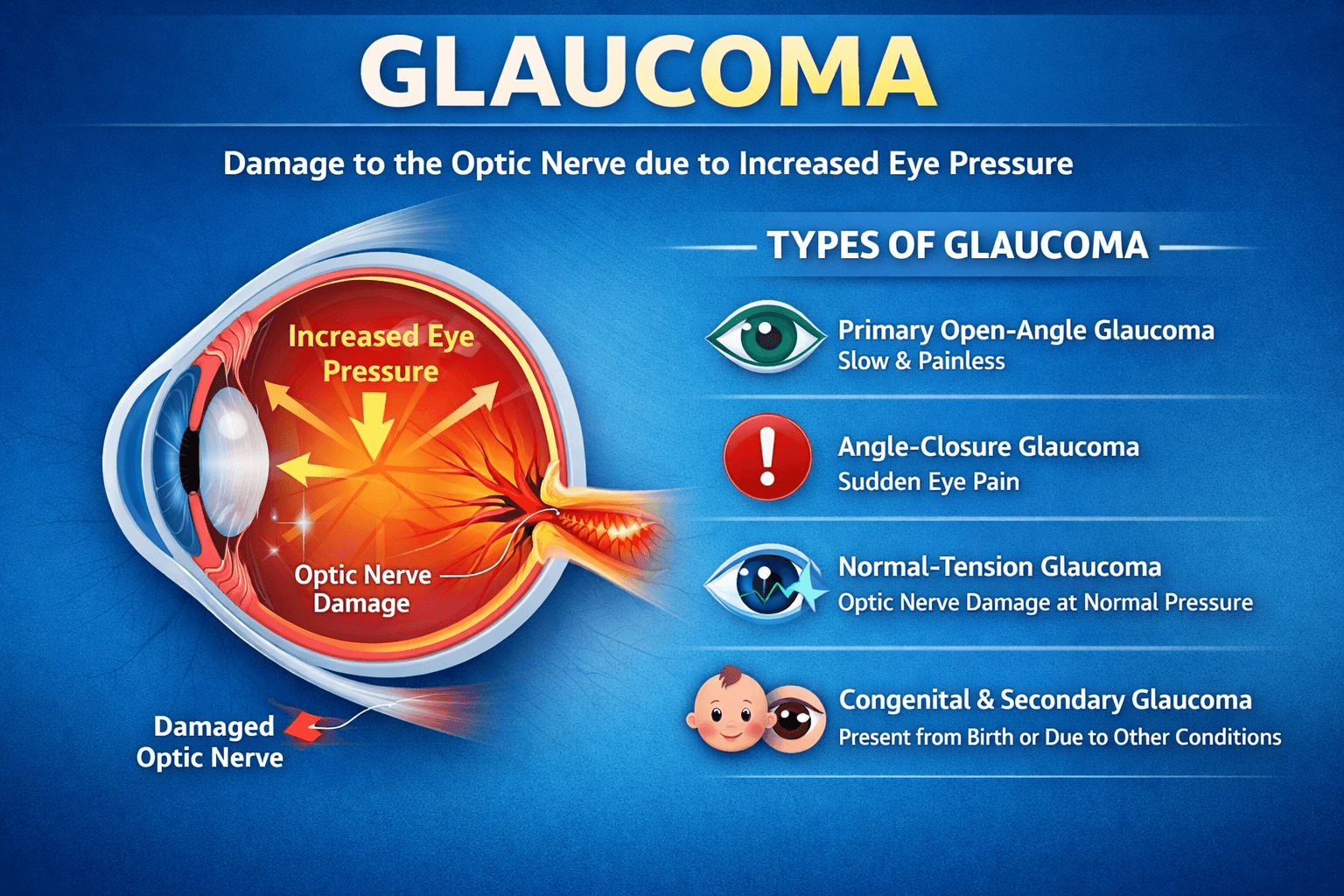
Glaucoma – Early Detection, Types, and Advanced Treatment

What is Glaucoma?

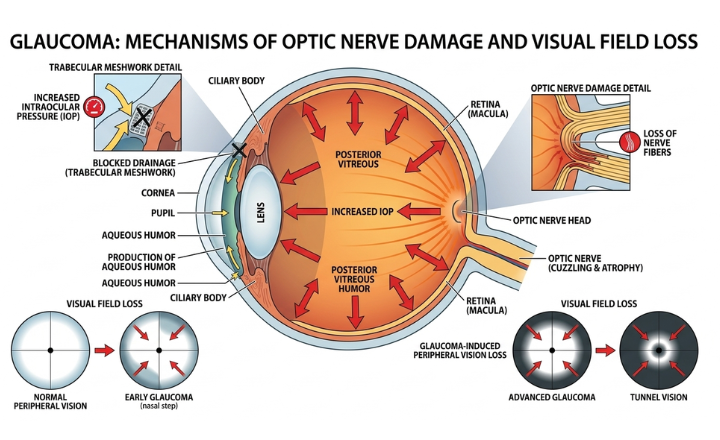
Glaucoma is a group of eye disorders that damage the optic nerve, usually due to increased intraocular pressure (IOP). It is a leading cause of irreversible blindness.....

Read More →
Blog 3
December Week 4By Dr. Ashutosh Jaiswal

Cataract – Symptoms, Premium IOL Surgery, and Recovery

What is a Cataract?

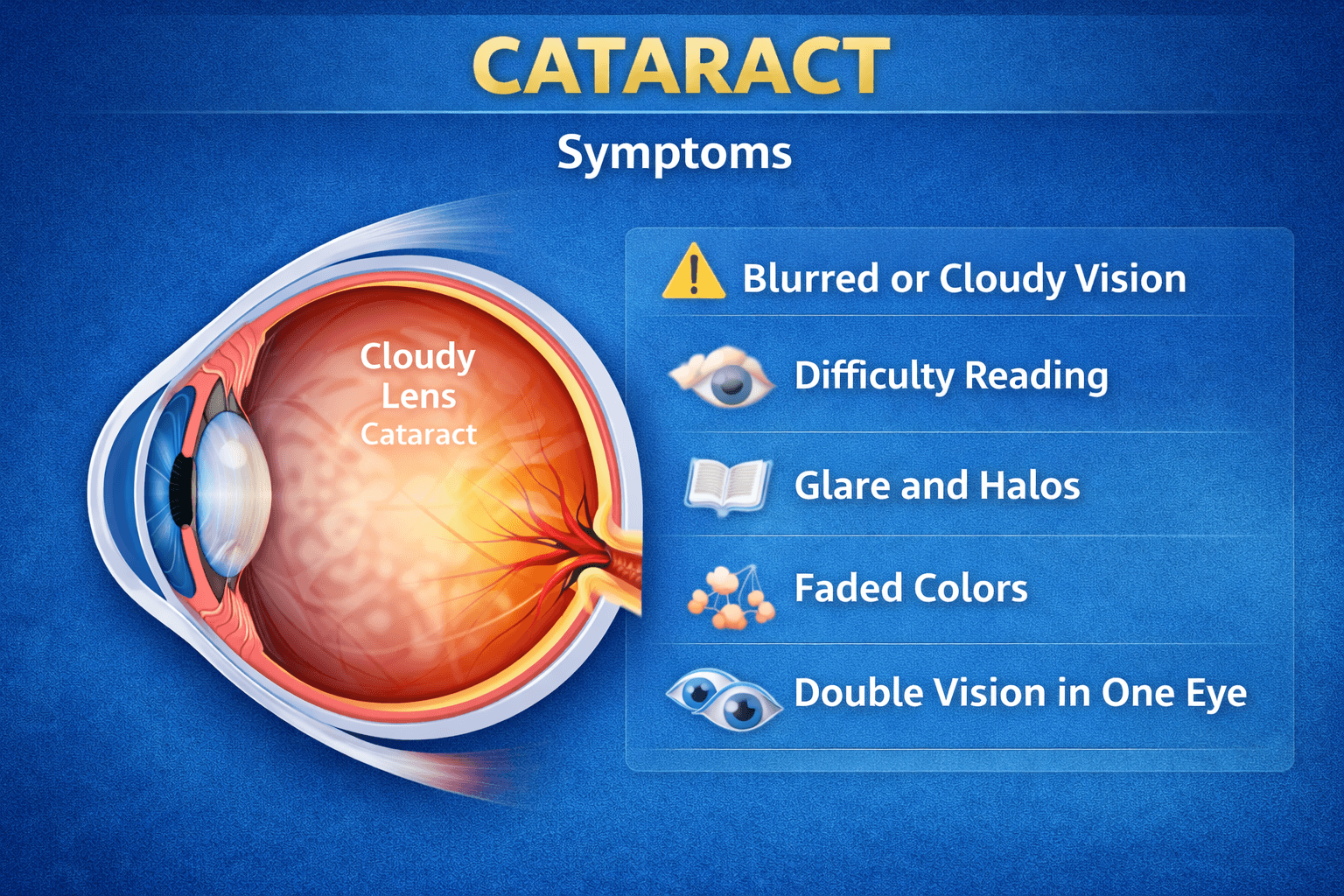
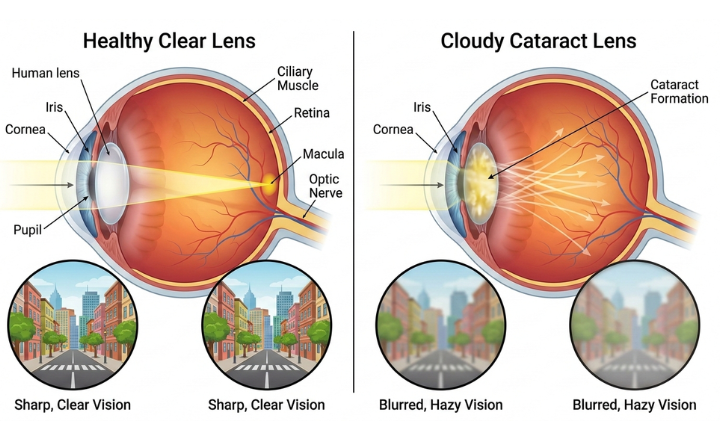
A cataract is the clouding of the eye’s natural lens, causing blurred vision, glare, and difficulty seeing at night. It is a common age-related eye problem...

Read More →
Blog 3
December Week 4By Dr. Ashutosh Jaiswal

Macular Degeneration (AMD) – Early Detection and Advanced Treatment

What is Macular Degeneration?

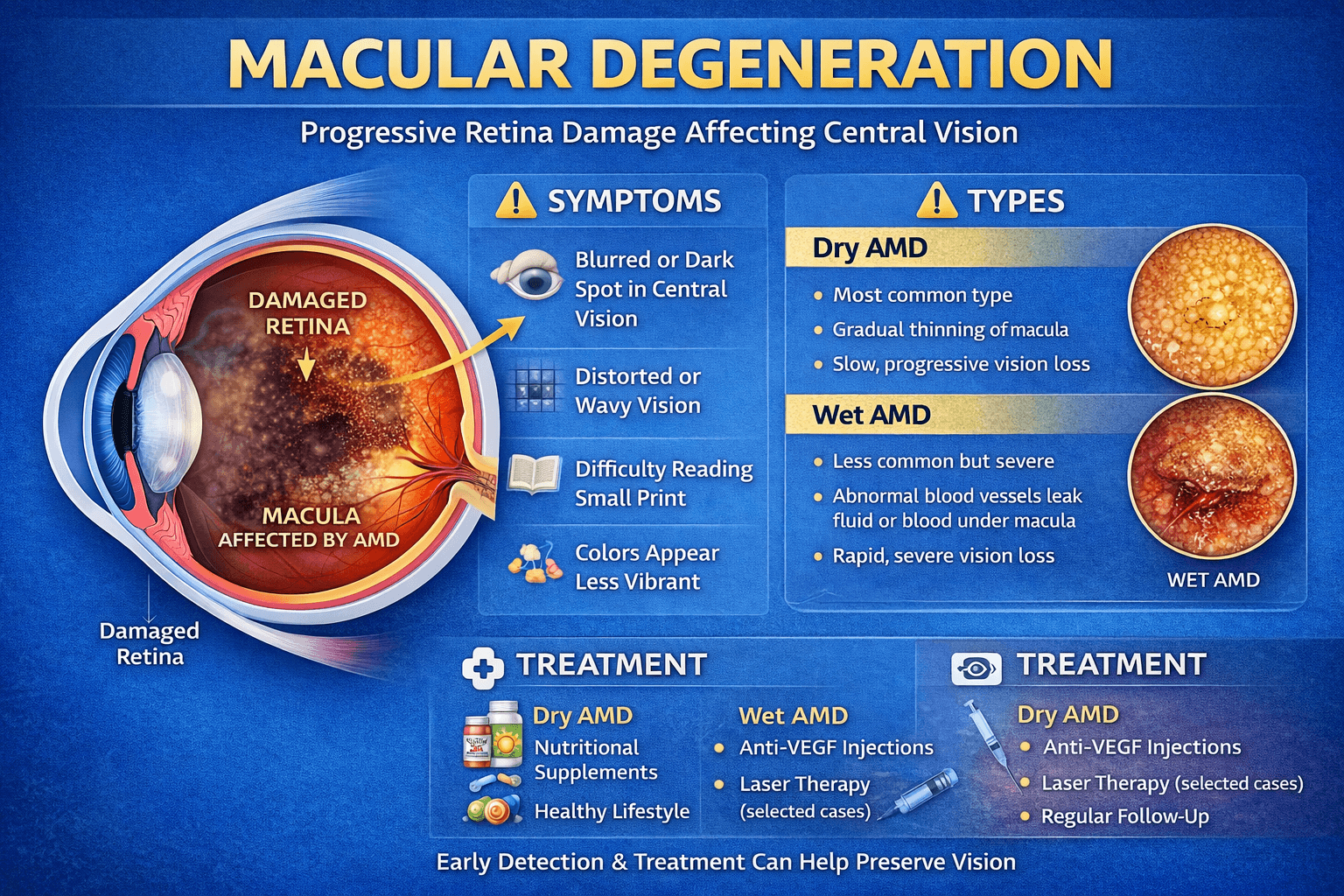
Macular Degeneration (AMD) is a progressive eye condition affecting the macula, the part of the retina responsible for central vision. It can cause blurred vision...

Read More →
Blog 3
December Week 4By Dr. Ashutosh Jaiswal

LASIK & Contoura Vision Cost in Nagpur & India (2025): Complete Guide for Clear Vision

What is LASIK?

LASIK and Contoura Vision have become the most popular solutions for removing glasses permanently. However, the cost of LASIK, difference between LASIK, Contoura, and SMILE...

Read More →
Blog 3
December Week 4By Dr. Ashutosh Jaiswal

Dry Eye Disease (2025): Causes, Symptoms, Treatment & Home Remedies

What is Dry Eye Disease?

Dry eye occurs when your eyes do not produce enough tears or the quality of tears is poor. This leads to irritation, redness, burning sensation...

Read More →
Blog 3
December Week 4By Dr. Ashutosh Jaiswal

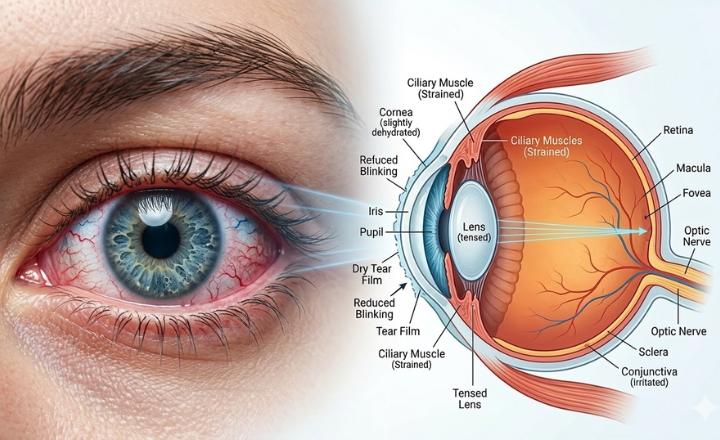
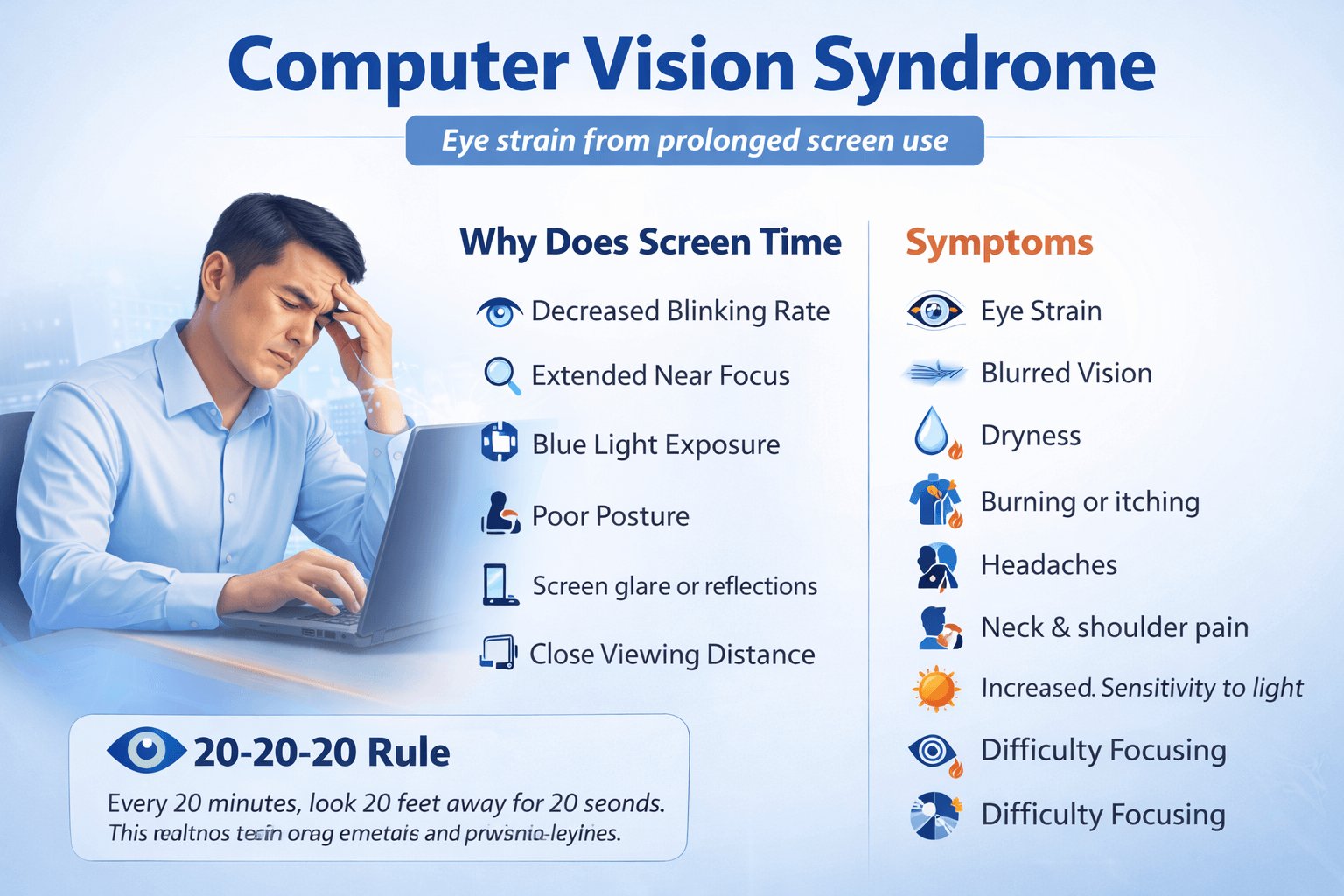
Computer Vision Syndrome (Digital Eye Strain) — Symptoms, Causes & Treatment

What is Computer Vision Syndrome?

Computer Vision Syndrome (CVS) is an eye condition caused by prolonged use of digital screens such as mobiles, laptops, TVs, and tablets. It leads to dryness...

Read More →
Blog 3
December Week 4By Dr. Ashutosh Jaiswal

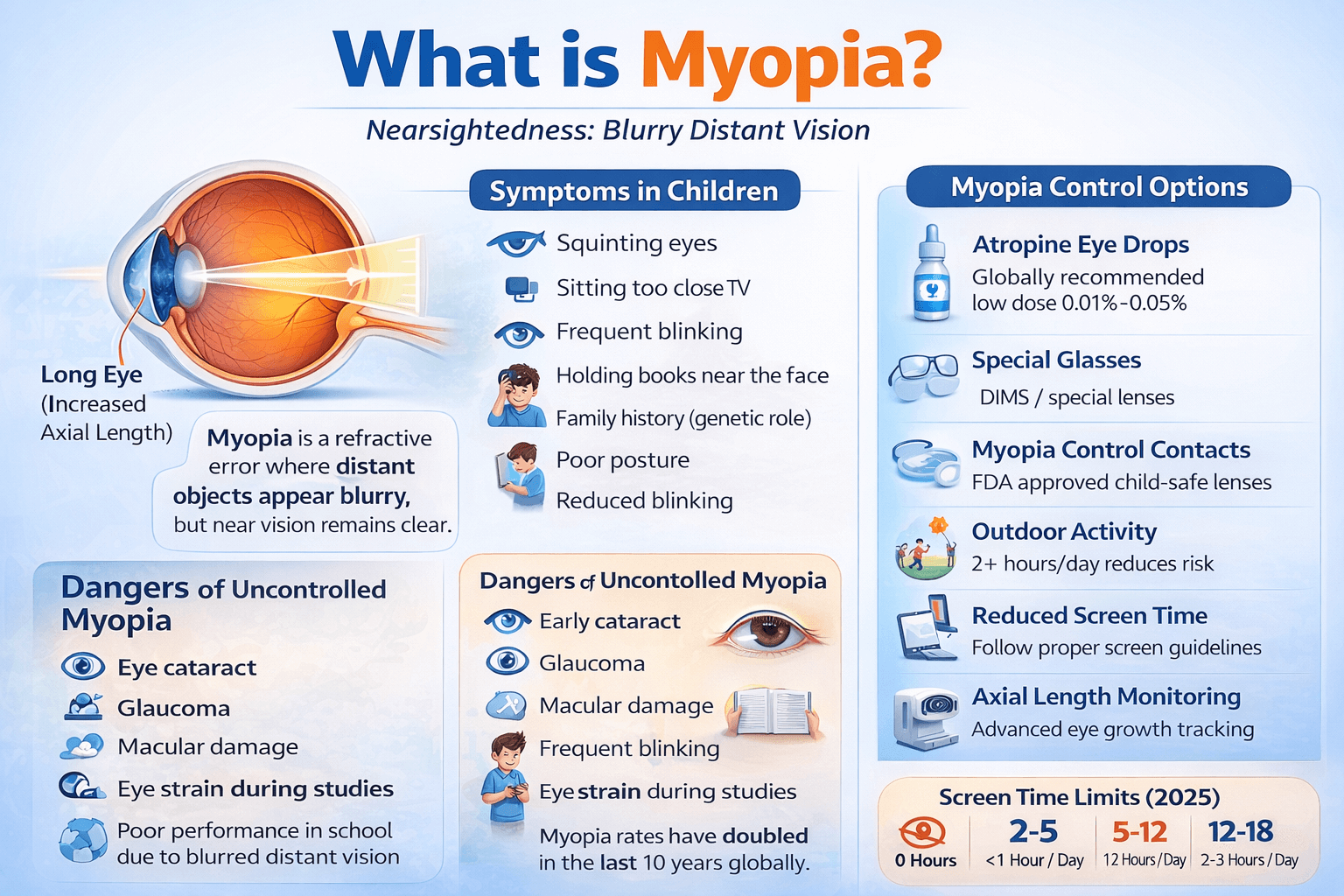
Myopia in Children (2025): Causes, Symptoms, Prevention & Control Methods

What is Myopia?

Myopia is a refractive error where distant objects appear blurry, but near vision remains clear. Eye becomes longer (axial length increases), causing...

Read More →
Blog 3
December Week 4By Dr. Ashutosh Jaiswal

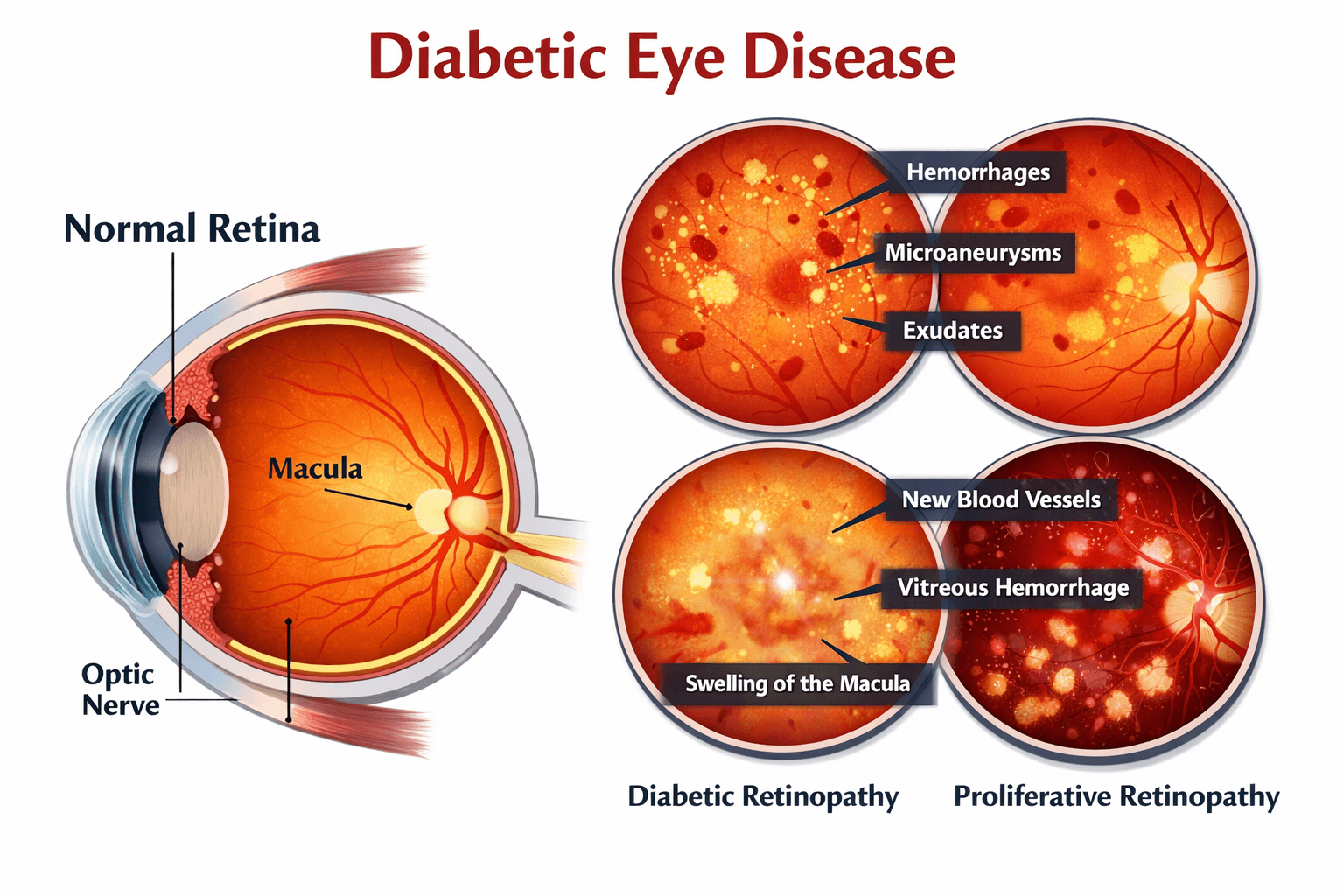
Diabetic Eye Disease (Retinopathy) 2025: Symptoms, Diagnosis, Treatment & Prevention

What is Diabetic Eye Disease (Diabetic Retinopathy)?

Diabetic Retinopathy occurs when high blood sugar damages the tiny blood vessels in the retina.If untreated...

Read More →
Blog 3
December Week 4By Dr. Ashutosh Jaiswal

Eye Problems After Age 40 (2025): Causes, Symptoms, Tests, Treatment & Prevention

Eye Problems After Age 40 (2025): Causes, Symptoms, Tests, Treatment & Prevention?

After 40, natural lens flexibility reduces, tear production decreases, and risk of eye diseases increases.

Read More →
Blog 3
December Week 4By Dr. Ashutosh Jaiswal

Cataract

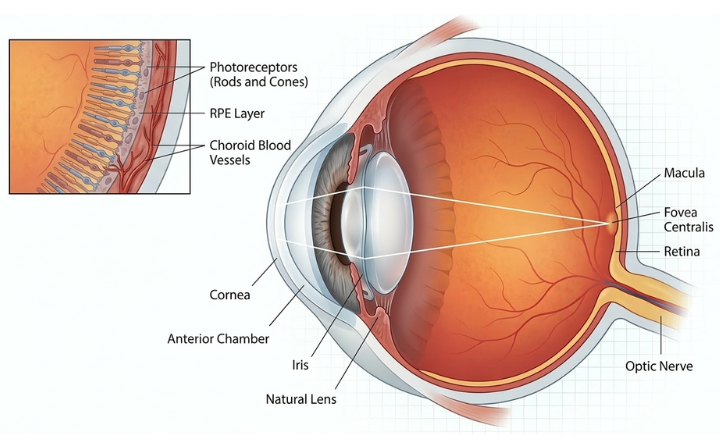
A cataract is a condition where the natural lens of the eye becomes cloudy, causing blurred or hazy vision. Normally, the lens is clear and helps focus light on the retina for sharp vision. With age or certain health conditions, the proteins inside the lens clump together, making it less transparent.

Read More →
Blog 3
December Week 4By Dr. Ashutosh Jaiswal

Refractive Errors

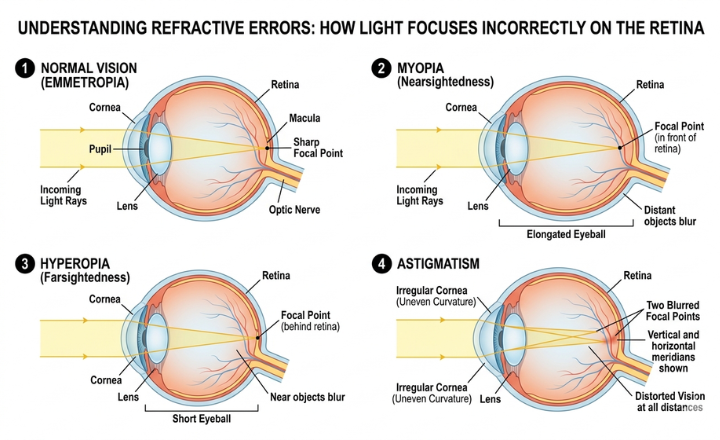
Refractive errors occur when the eye cannot focus light correctly on the retina, resulting in blurry vision. The most common types include:
Myopia (Nearsightedness): Difficulty seeing distant objects clearly
Hypermetropia (Farsightedness): Difficulty seeing close objects clearly

Read More →
Blog 3
December Week 4By Dr. Ashutosh Jaiswal

Glaucoma

Glaucoma is a group of eye diseases that damage the optic nerve, usually due to increased pressure inside the eye. Often called the “silent thief of sight,” glaucoma progresses slowly and can lead to permanent vision loss if undetected. Many people do not notice early symptoms, which is why regular eye checkups are critical.

Read More →
Blog 3
December Week 4By Dr. Ashutosh Jaiswal

Dry Eyes

Dry eyes occur when the eyes do not produce enough tears or the tears evaporate too quickly. Tears are essential to lubricate the eye, provide nutrients, remove debris, and protect against infections. Without sufficient tears, the eyes become irritated, red, itchy, and can even cause blurred vision.


Read More →
Blog 3
December Week 4By Dr. Ashutosh Jaiswal

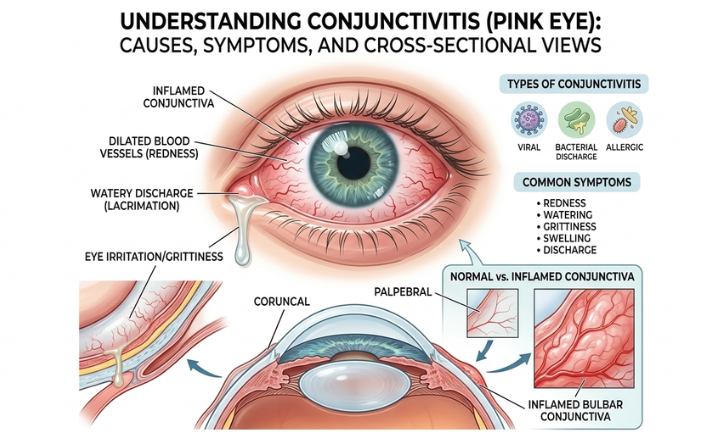
Conjunctivitis

Conjunctivitis, commonly known as “pink eye,” is an inflammation or infection of the conjunctiva — the thin, transparent layer covering the white part of the eye and inner eyelids. It causes redness, irritation, watering, and sometimes discharge. Conjunctivitis can be viral, bacterial, or allergic in nature. It is highly contagious in viral and bacterial forms, especially in children and workplaces, making early diagnosis and treatment essential.

Read More →
Blog 3
December Week 4By Dr. Ashutosh Jaiswal

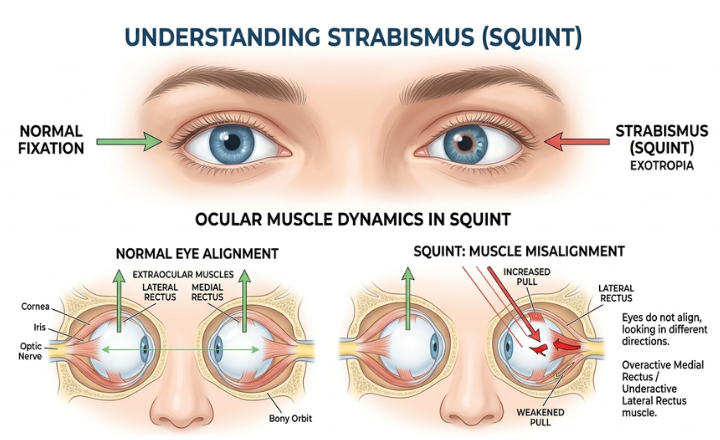
Squint / Strabismus

Squint, also known as strabismus, is a condition where the eyes do not align properly and point in different directions. One eye may look straight while the other turns inward, outward, upward, or downward. It can affect one or both eyes and may be constant or intermittent. Squint is common in children but can also develop in adults due to trauma, neurological problems, or eye muscle disorders.


Read More →
Blog 3
December Week 4By Dr. Ashutosh Jaiswal

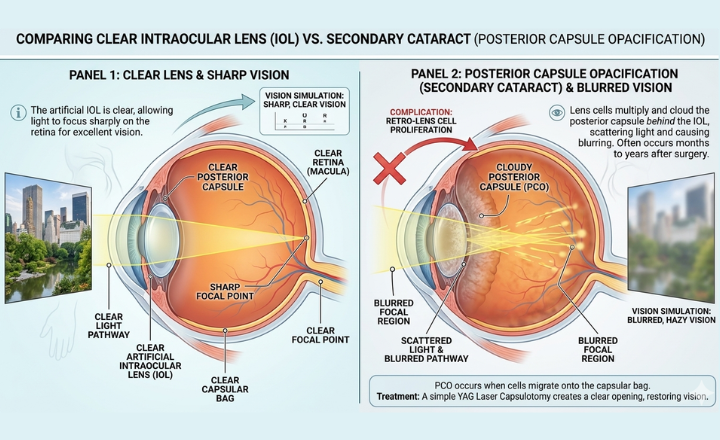
Cataract Complications & Secondary Cataract

A cataract is the clouding of the natural lens in the eye, causing blurry vision, glare, and difficulty seeing at night. While modern cataract surgery is safe and effective, complications can occasionally occur. These complications may include infection, inflammation, lens dislocation, retinal detachment, or the development of secondary cataract after surgery.


Read More →
Blog 3
December Week 4By Dr. Ashutosh Jaiswal

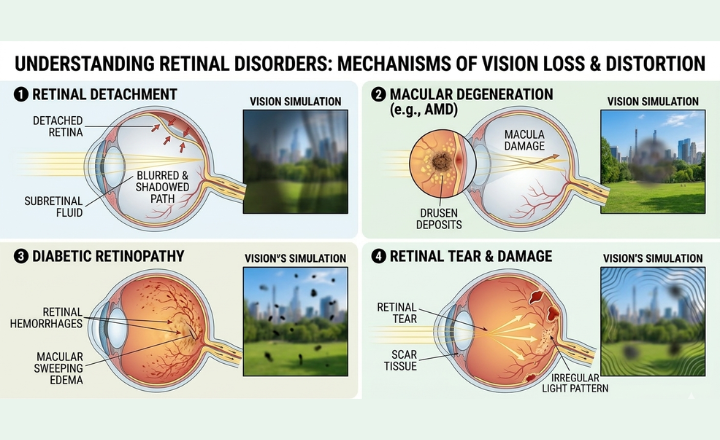
Retinal Disorders

The retina is the thin layer of tissue at the back of the eye that senses light and sends signals to the brain for vision. Retinal disorders refer to any condition that affects the retina, leading to vision problems or even permanent vision loss if untreated. Common retinal disorders include diabetic retinopathy, retinal detachment, macular degeneration, and retinal vein/artery occlusion.

Read More →
Blog 3
December Week 4By Dr. Ashutosh Jaiswal

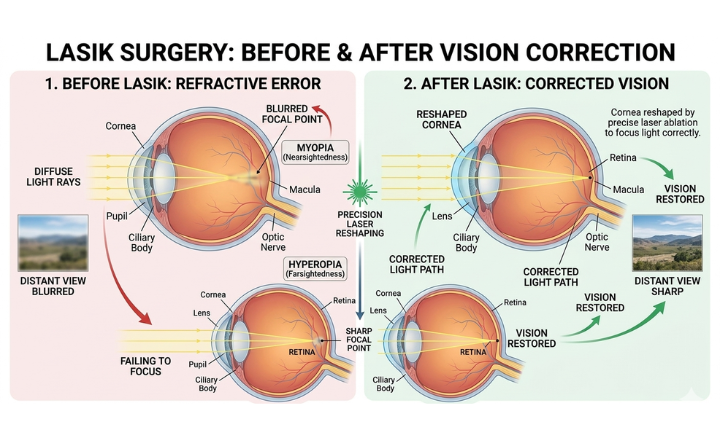
LASIK & Refractive Errors

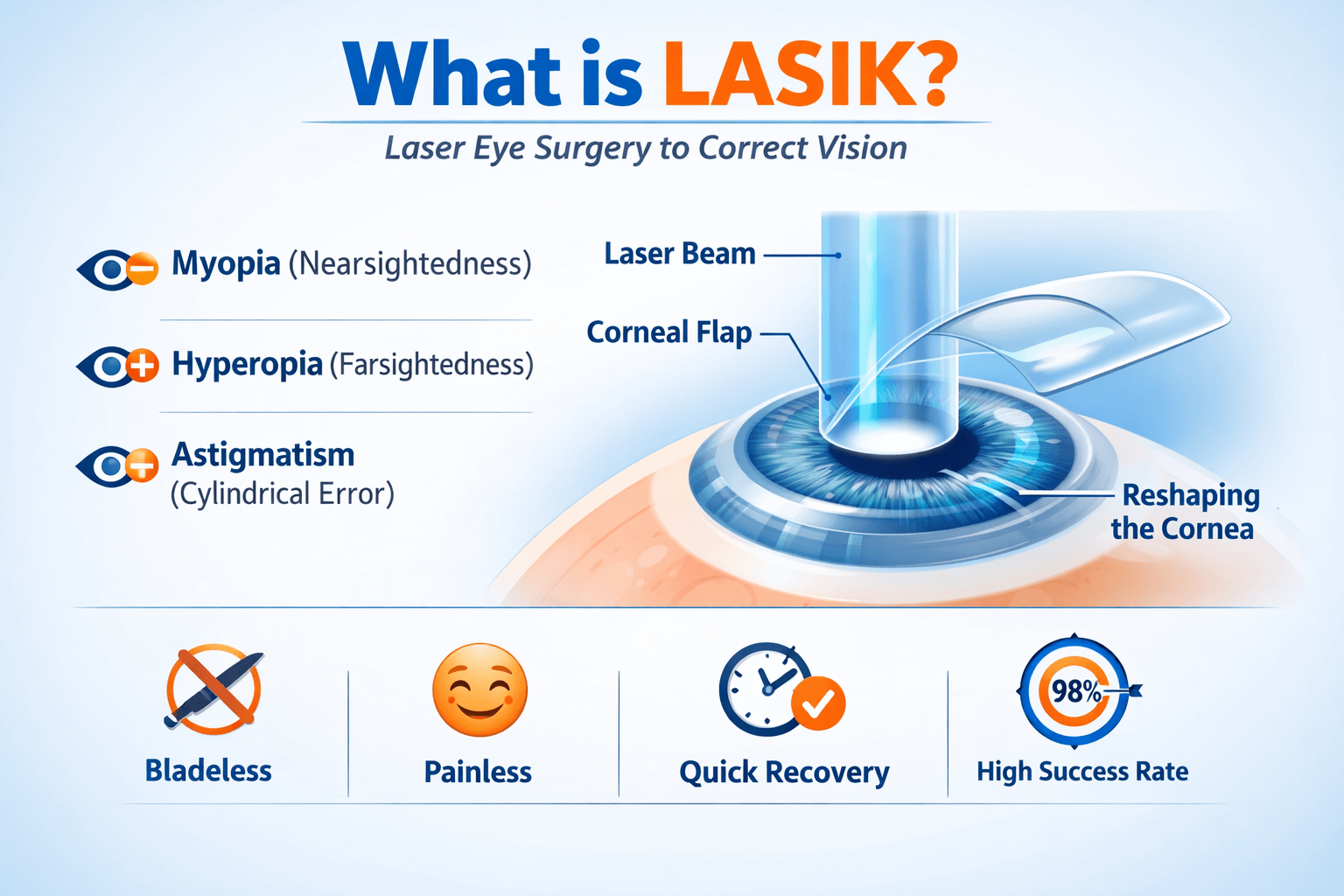
Refractive errors occur when the eye cannot bend (refract) light correctly onto the retina, resulting in blurred vision. Common types include:

  • Myopia (nearsightedness): Difficulty seeing distant objects clearly
  • Hypermetropia (farsightedness): Difficulty seeing nearby objects
  • Astigmatism: Distorted or blurred vision due to irregular corneal curvature

Read More →
Blog 3
December Week 4By Dr. Ashutosh Jaiswal

Pediatric Eye Problems

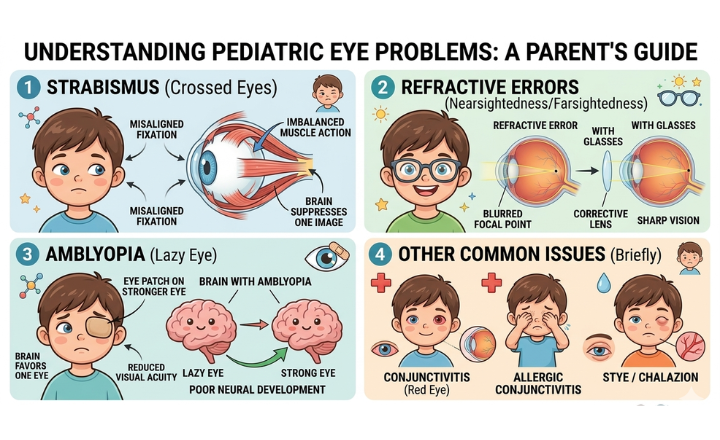
Children’s eyes are developing from birth through adolescence, and early detection of eye problems is crucial for proper vision. Common pediatric eye problems include:

  • Refractive errors: Myopia, hypermetropia, and astigmatism
  • Strabismus / squint: Misalignment of eyes
  • Amblyopia (lazy eye): Reduced vision in one eye
  • Congenital cataract: Clouding of the lens from birth

Read More →
Blog 3
December Week 4By Dr. Ashutosh Jaiswal

Diabetic Eye Problems

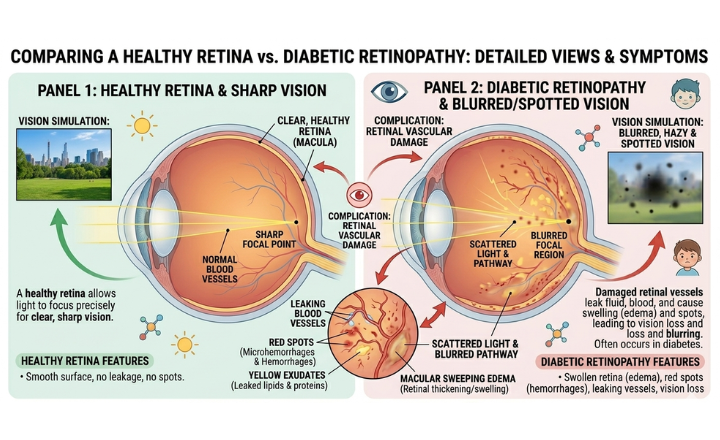
Diabetic eye problems are vision complications that occur due to diabetes. High blood sugar levels can damage blood vessels in the retina, lens, and other eye structures. Common diabetic eye problems include:

  • Diabetic retinopathy: Damage to retinal blood vessels
  • Diabetic macular edema (DME): Swelling in the central retina

Read More →
Blog 3
December Week 4By Dr. Ashutosh Jaiswal

Dry Eye Syndrome

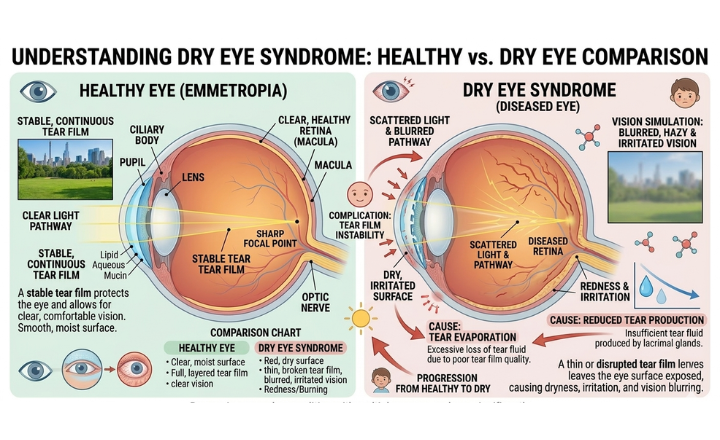
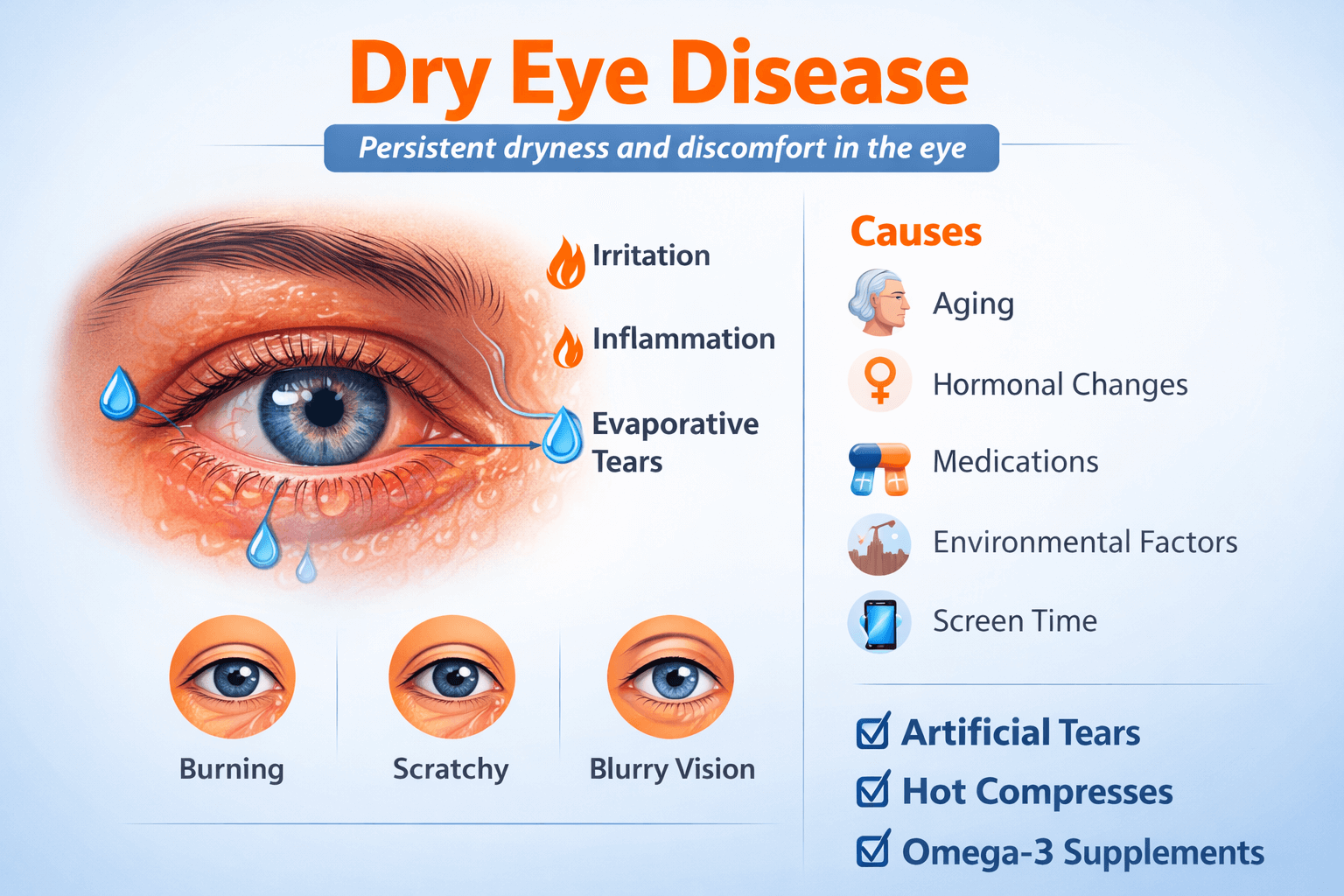
Dry Eye Syndrome (DES) occurs when your eyes do not produce enough tears or the tears evaporate too quickly, leading to dryness, irritation, and discomfort. It is a common condition that affects people of all ages, but is more prevalent in older adults, contact lens users, and individuals working long hours on screens.


Read More →
Blog 3
December Week 4By Dr. Ashutosh Jaiswal

Glaucoma Surgery & Advanced Care

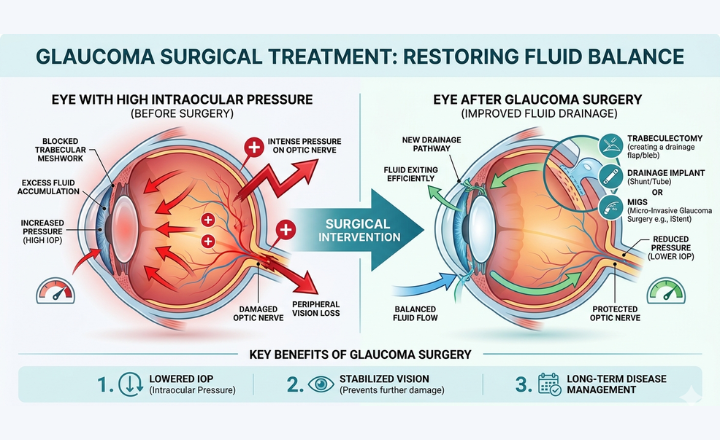
Glaucoma surgery is a procedure aimed at lowering intraocular pressure (IOP) to prevent damage to the optic nerve and vision loss. Surgery is considered when medications or laser treatments are insufficient to control eye pressure. Modern glaucoma surgery can significantly slow or stop disease progression.


Read More →
Blog 3
December Week 4By Dr. Ashutosh Jaiswal

Glaucoma Surgery & Advanced Care

Glaucoma surgery is a procedure aimed at lowering intraocular pressure (IOP) to prevent damage to the optic nerve and vision loss. Surgery is considered when medications or laser treatments are insufficient to control eye pressure. Modern glaucoma surgery can significantly slow or stop disease progression.

Read More →
Blog 3
December Week 4By Dr. Ashutosh Jaiswal

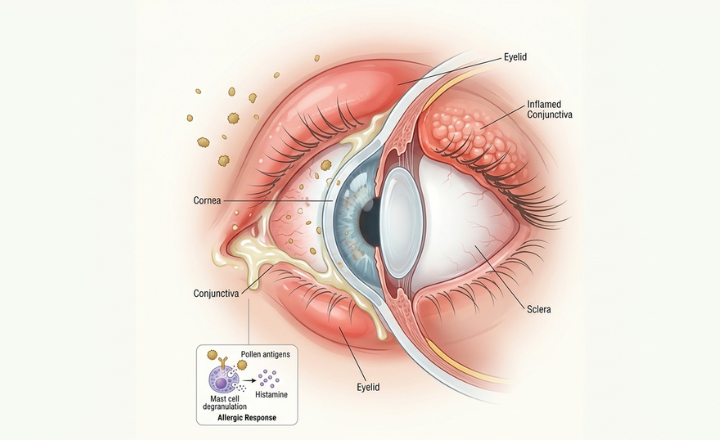
Eye Allergies

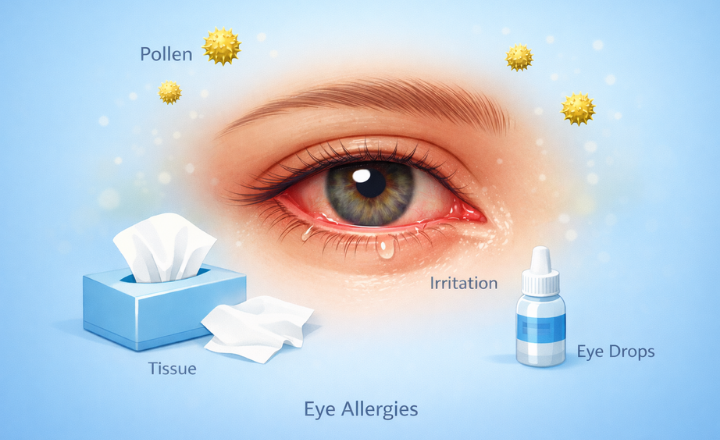
Allergic conjunctivitis occurs when eyes react to allergens like dust, pollen, smoke, or cosmetics, leading to redness, itching, and watering.

Symptoms:
● Itching or burning
● Redness and swelling
● Watery or sticky discharge

Read More →
Blog 3
December Week 4By Dr. Ashutosh Jaiswal

Lazy Eye

What is Lazy Eye?
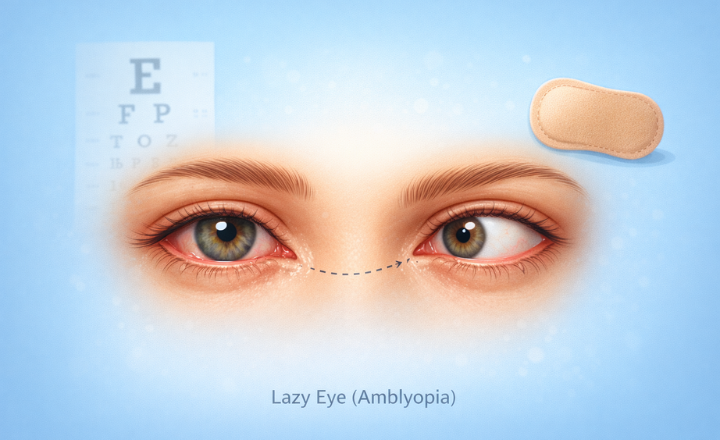
Amblyopia is reduced vision in one eye that doesn’t develop properly during childhood. Causes:
Squint (eye misalignment), high refractive error, or childhood eye injury.


Read More →
Blog 3
December Week 4By Dr. Ashutosh Jaiswal

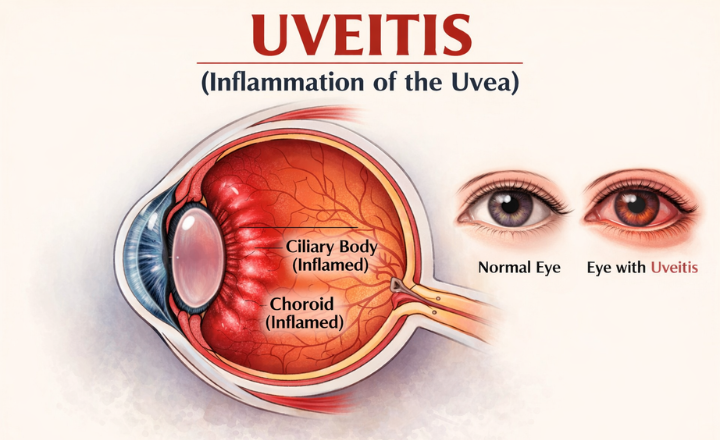
Uveitis

What is Uveitis?
Uveitis is inflammation of the middle layer of the eye (uvea), which can cause redness, pain, and blurred vision.
Causes:
Autoimmune diseases, infections, or trauma.


Read More →
Blog 3
December Week 4By Dr. Ashutosh Jaiswal

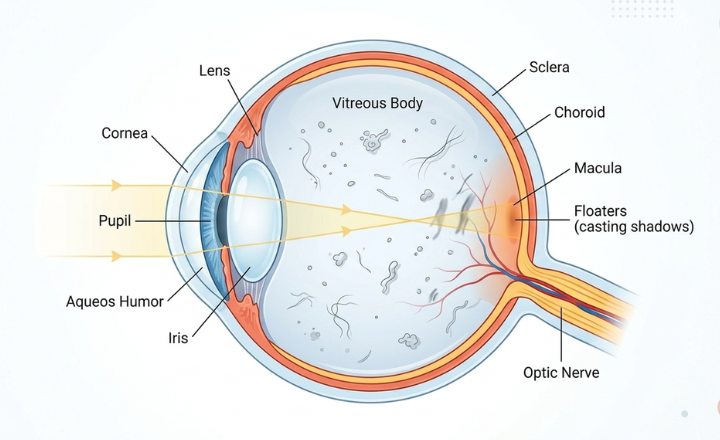
Eye Floaters

What are Eye Floaters?
These are tiny spots, threads, or cobweb-like shapes that move across your vision, often due to age-related changes in the vitreous (eye gel).


Read More →
Blog 3
December Week 4By Dr. Ashutosh Jaiswal

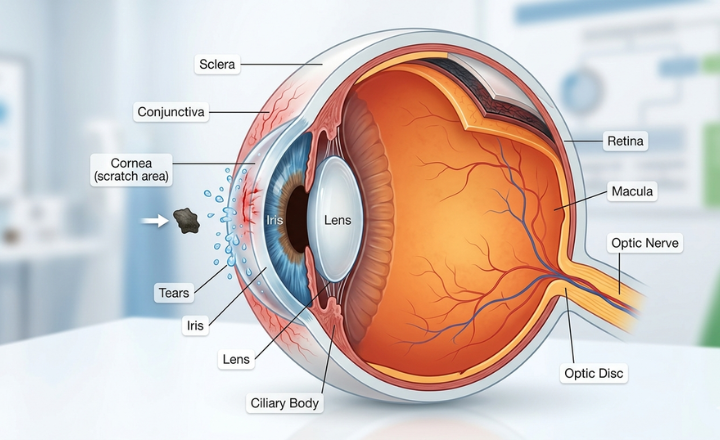
Eye Injuries

What causes eye injuries?
Sharp objects, chemical splashes, sports trauma, or accidents.
Symptoms:
Pain, redness, swelling, bleeding, blurred vision, or light sensitivity.


Read More →
Blog 3
December Week 4By Dr. Ashutosh Jaiswal

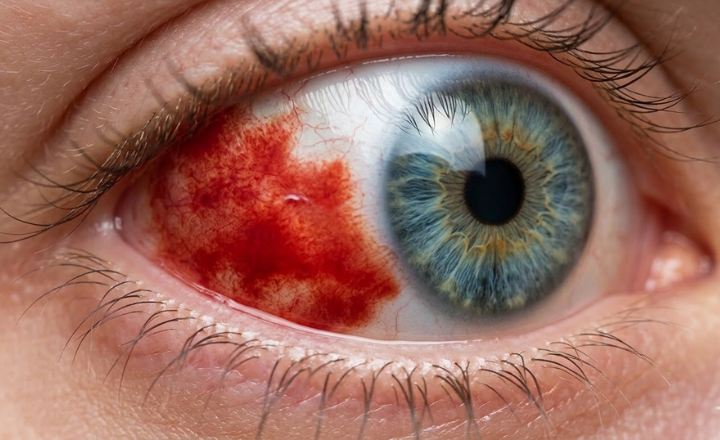
Subconjunctival Hemorrhage

It is a condition where a small blood vessel breaks just beneath the clear surface of your eye (conjunctiva), causing a bright red patch on the white part (sclera). It looks alarming but is usually harmless.

Read More →
Blog 3
December Week 4By Dr. Ashutosh Jaiswal

Effect of Vitamin A Deficiency on Eyes

Vitamin A deficiency occurs when your body doesn’t get enough vitamin A — an essential nutrient for maintaining healthy vision, especially night vision and corneal health.


Read More →
Blog 3
December Week 4By Dr. Ashutosh Jaiswal

Spring Catarrh / Vernal Keratoconjunctivitis (VKC)

Spring Catarrh, also called Vernal Keratoconjunctivitis (VKC), is a seasonal allergic eye disease that usually occurs in children and young adults during the spring and summer months.

Read More →
Blog 3
December Week 4By Dr. Ashutosh Jaiswal

Digital Eye Strain

Digital Eye Strain, also called Computer Vision Syndrome (CVS), is discomfort or vision problems caused by prolonged use of digital devices like computers, tablets, and smartphones.

Read More →
Blog 3
December Week 4By Dr. Ashutosh Jaiswal

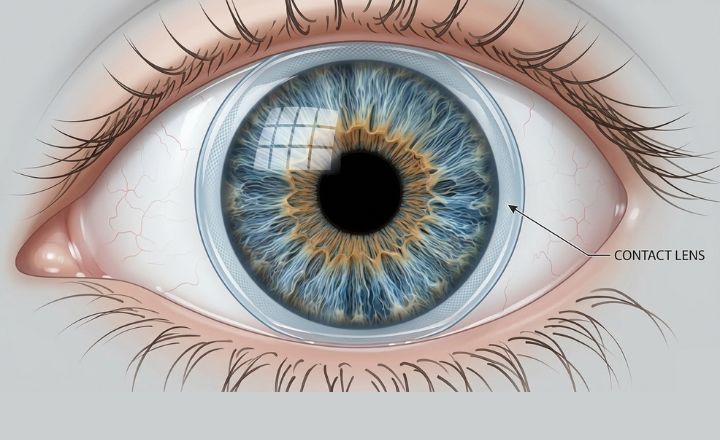
Newer Contact Lenses

Newer contact lenses are advanced designs made from high-oxygen permeable materials that provide comfort, better vision correction, and reduce eye dryness.


Read More →
Blog 3
December Week 4By Dr. Ashutosh Jaiswal

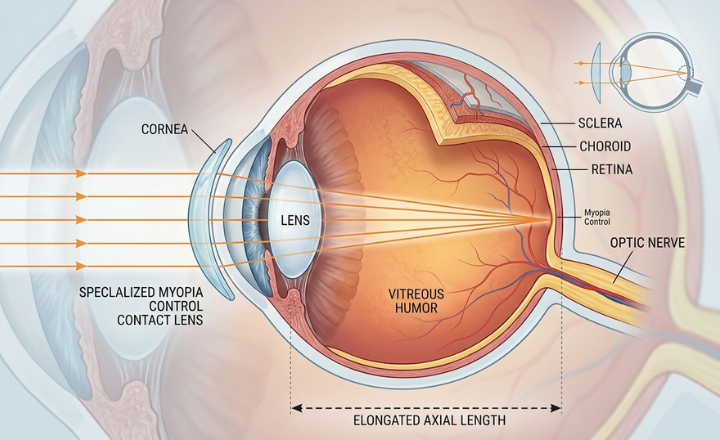
Myopia Control Therapy

Myopia Control Therapy involves medical and optical interventions to slow the progression of nearsightedness (myopia) in children and adolescents.


Read More →
Blog 3
December Week 4By Dr. Ashutosh Jaiswal

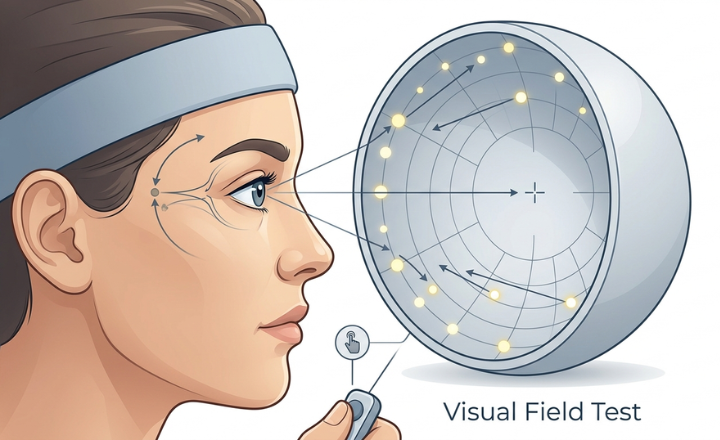
Visual Field Analyzer / Perimetry

A Visual Field Analyzer (VFA) is a diagnostic tool that measures the full horizontal and vertical range of a patient’s vision. It detects blind spots (scotomas) and helps in early diagnosis of glaucoma, optic nerve disorders, and neurological diseases.

Read More →
Blog 3
December Week 4By Dr. Ashutosh Jaiswal

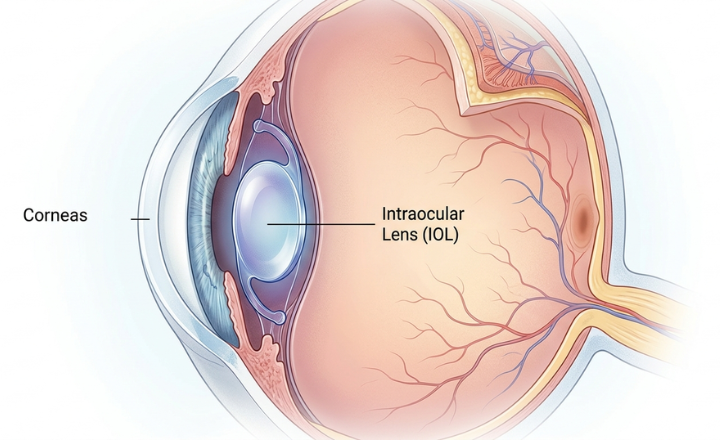
Types of Intraocular Lenses (IOLs)

An Intraocular Lens (IOL) is an artificial lens implanted inside the eye, usually after cataract surgery, to replace the eye’s natural cloudy lens. It restores vision, reduces dependence on glasses, and improves quality of life.

Read More →
Blog 3
December Week 4By Dr. Ashutosh Jaiswal

ICL or Phakic Intraocular Lens

A Phakic IOL, commonly called Implantable Collamer Lens (ICL), is a special artificial lens implanted in the eye without removing the natural lens. Unlike standard IOLs used after cataract surgery, ICLs are used for refractive errors like high myopia.

Read More →
Blog 3
December Week 4By Dr. Ashutosh Jaiswal

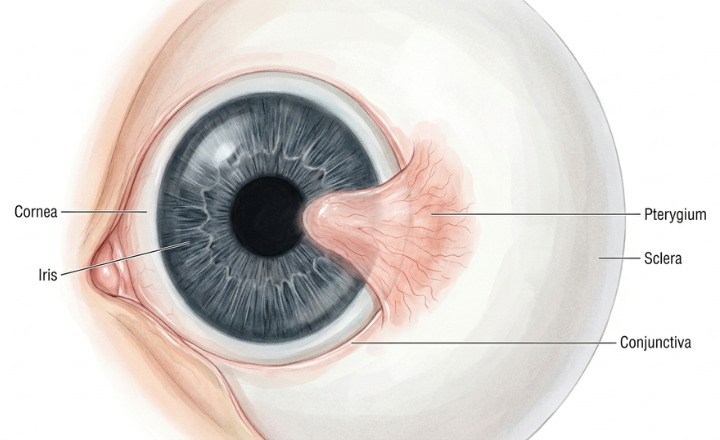
Pterygium

Pterygium, commonly known as “Surfer’s Eye”, is a benign growth of conjunctival tissue that extends onto the cornea. It often appears as a triangular or wing-shaped growth from the white part of the eye (sclera) toward the colored part (cornea).

Read More →
Blog 3
December Week 4By Dr. Ashutosh Jaiswal

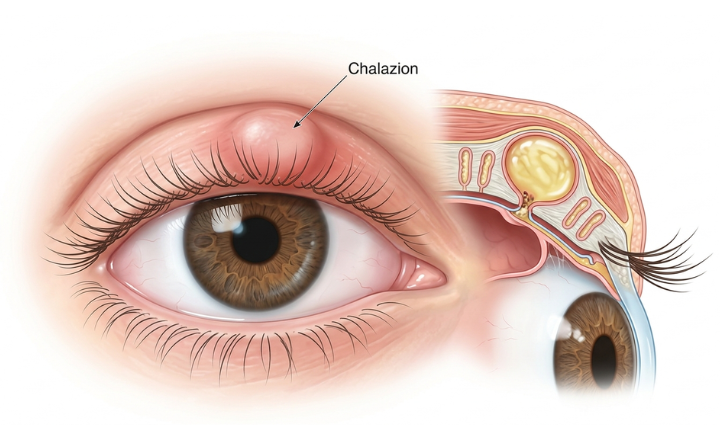
Chalazion

A Chalazion is a painless lump or swelling on the eyelid caused by blocked oil glands (Meibomian glands). Unlike styes, chalazions usually develop slowly and are not infected initially.


Read More →
Blog 3
December Week 4By Dr. Ashutosh Jaiswal

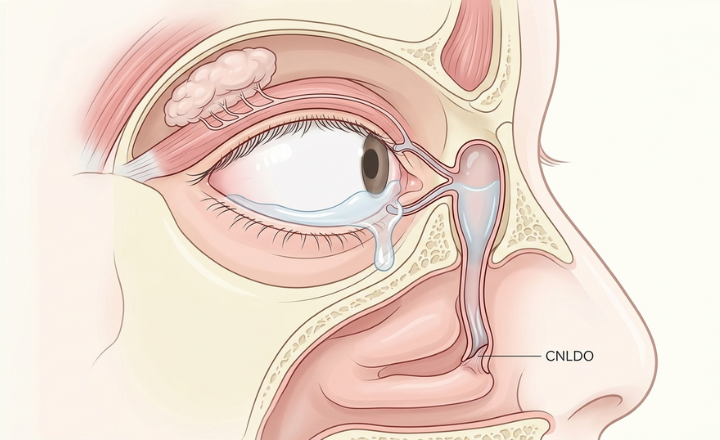
CNLDO

CNLDO, or Congenital Naso-Lacrimal Duct Obstruction, is a condition present at birth where the tear drainage system of the eye is blocked. This leads to excessive tearing (epiphora), recurrent eye discharge, and sometimes infections in infants.

Read More →
Blog 3
December Week 4By Dr. Ashutosh Jaiswal

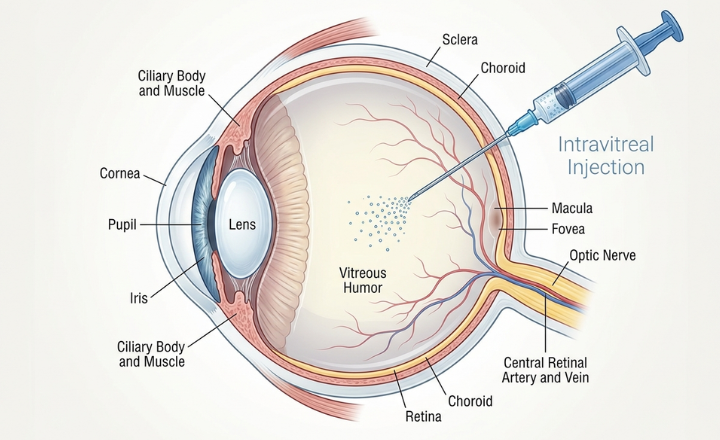
Intra-vitreal Injections

Intra-vitreal injections are medications injected directly into the vitreous cavity of the eye, the gel-like substance at the back of the eye. These injections are commonly used to treat retinal diseases, macular edema, diabetic retinopathy, age-related macular degeneration (AMD), and retinal vein occlusion.

Read More →
Blog 3
December Week 4By Dr. Ashutosh Jaiswal

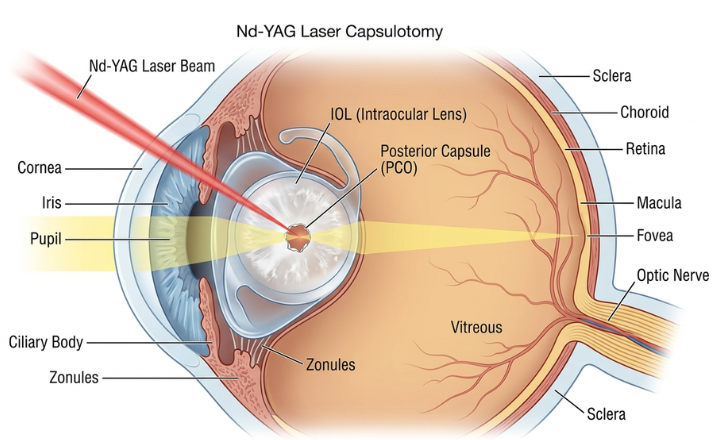
Nd-YAG Laser Capsulotomy

Nd-YAG Laser Capsulotomy is a non-invasive laser procedure used to treat posterior capsule opacification (PCO), commonly known as a secondary cataract, which can develop months or years after cataract surgery.


Read More →
Blog 3
December Week 4By Dr. Ashutosh Jaiswal

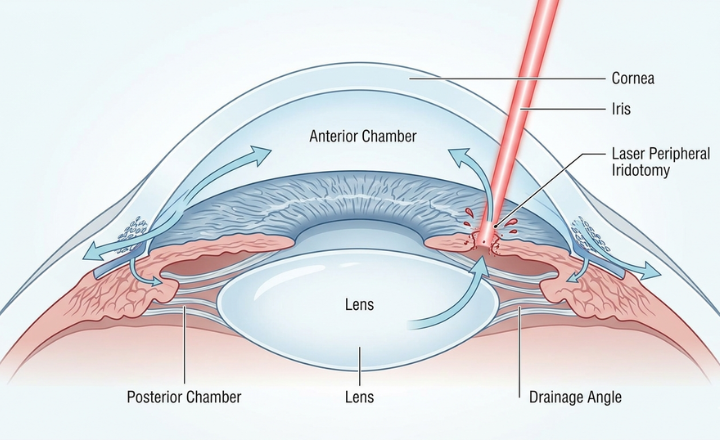
YAG Laser Peripheral Iridotomy

YAG Laser Peripheral Iridotomy (LPI) is a laser procedure used to treat or prevent angle-closure glaucoma. It creates a small opening in the peripheral iris, allowing the aqueous fluid to flow from the posterior chamber to the anterior chamber, reducing eye pressure.

Read More →
Blog 3
December Week 4By Dr. Ashutosh Jaiswal

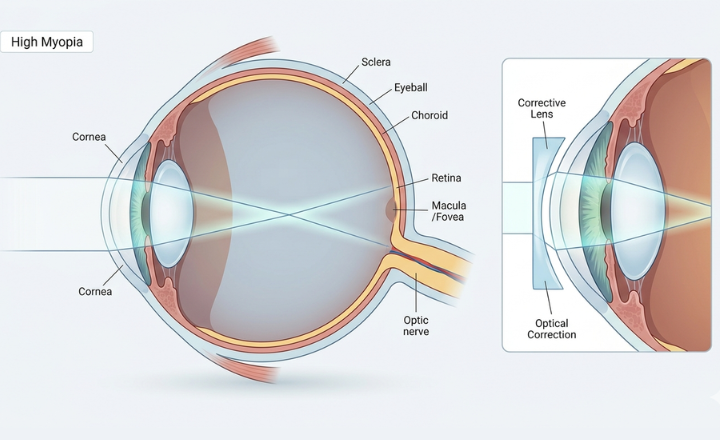
High Myopia and Its Treatment

High Myopia, also known as severe nearsightedness, is a condition where the eye is longer than normal, causing light rays to focus in front of the retina. This leads to blurred distance vision and increases the risk of serious eye complications.

Read More →
Blog 3
December Week 4By Dr. Ashutosh Jaiswal

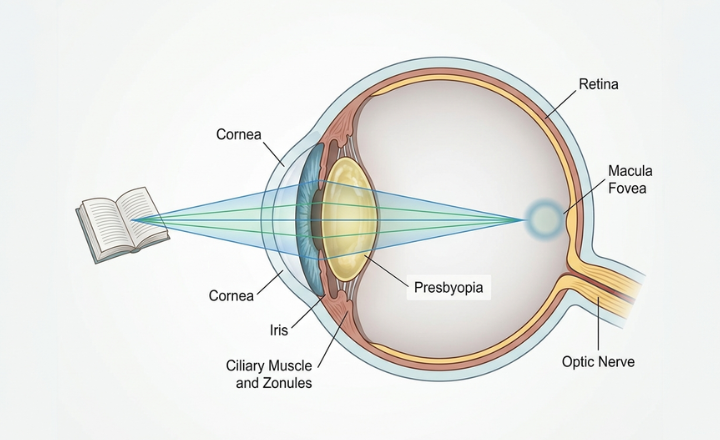
Presbyopia

Presbyopia is the age-related loss of near vision that typically starts after age 40. It occurs because the eye lens gradually loses flexibility, making it difficult to focus on close objects. Unlike myopia or hyperopia, presbyopia affects nearly everyone as they age.

Read More →
Blog 3
December Week 4By Dr. Ashutosh Jaiswal

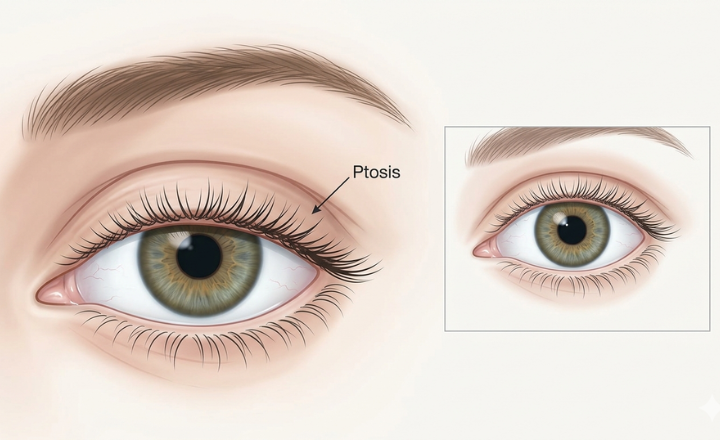
Ptosis and Its Management

Ptosis, also known as drooping of the upper eyelid, is a condition where the eyelid covers part of the eye, potentially obstructing vision. It can affect one or both eyes and may develop at birth (congenital) or later in life (acquired).


Read More →
Blog 3
December Week 4By Dr. Ashutosh Jaiswal

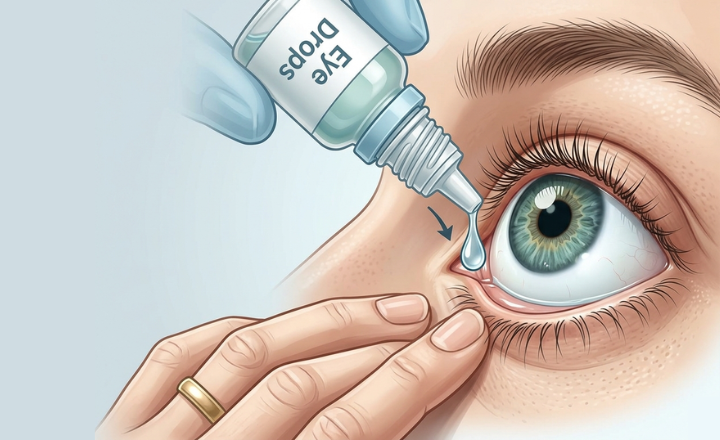
How to Use Eye Drops

Correct usage of eye drops ensures maximum effectiveness, prevents contamination, and avoids eye irritation or infection. Improper use can reduce medication efficiency and may worsen eye conditions.

Read More →
Blog 3
December Week 4By Dr. Ashutosh Jaiswal

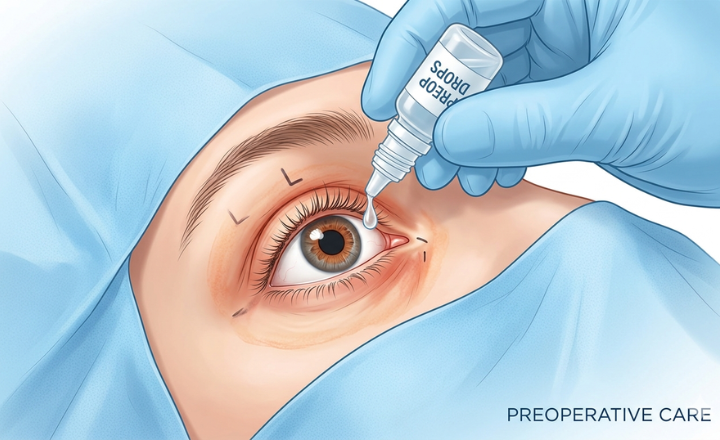
Preoperative Instructions Before Cataract Surgery

Preoperative instructions ensure safety, reduce complications, and help achieve optimal surgical outcomes. Following the guidelines improves recovery time and overall success.

Read More →
Blog 3
December Week 4By Dr. Ashutosh Jaiswal

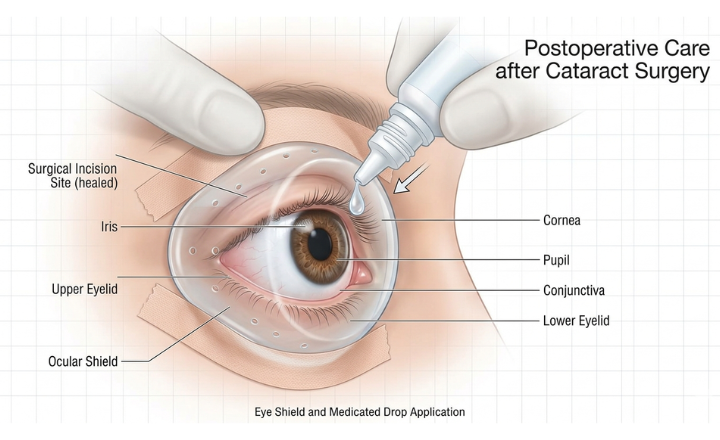
Postoperative Instructions After Cataract Surgery

Following postoperative instructions ensures proper healing, prevents infection, and maximizes visual recovery.


Read More →